Learn how healthy tree roots support stability and growth, and how New Jersey homeowners can identify and prevent common root problems.
.webp)
When homeowners think about tree health, they usually look at the parts of the tree they can see. They notice the leaves, branches, bark, and overall shape of the canopy. What often gets overlooked is one of the most important parts of the tree: the root system.
Tree roots provide the foundation for the entire tree. They absorb water and nutrients, anchor the tree in the soil, and contribute to its ability to withstand wind, rain, drought, and other environmental stresses.
When roots become damaged or unhealthy, the effects can eventually appear throughout the rest of the tree.
For homeowners in West Orange, Bernards Township, Florham Park, and Scotch Plains, understanding the importance of root health can help protect mature trees and prevent problems that may become much more difficult to address later.
Pine Valley Tree Service has been helping New Jersey homeowners care for their trees since 1974. Proper tree care is not simply about maintaining the visible portions of a tree. It also means understanding the conditions beneath the surface and recognizing problems before they threaten the health or stability of the tree.
Tree roots perform several essential functions.
One of the most important jobs of a root system is keeping the tree stable.
A mature tree can be extremely heavy, particularly when its branches and leaves are wet. Its roots help distribute that weight and anchor the tree against forces such as wind and heavy rain.
When roots are damaged, the tree can become less stable.
Trees depend on their roots to absorb water and nutrients from the surrounding soil.
Poor soil conditions can limit the resources available to the tree, which may eventually result in:
Healthy root systems allow trees to better respond to changes in their environment.
This is particularly important in New Jersey, where trees experience significant seasonal changes, including freezing winters, hot summers, heavy rainfall, drought conditions, and severe thunderstorms.
Professional tree care services can help identify environmental conditions that may be affecting tree health.
One common misconception is that tree roots grow deep underground like a large underground version of the trunk.
In reality, many of a tree's important roots are located relatively close to the surface.
Tree roots often extend outward much farther than homeowners expect.
This means activities such as construction, digging, landscaping, and driving heavy equipment across the root zone can cause significant damage even when the trunk and branches are untouched.
Construction is one of the most significant threats to established tree root systems.
Excavating for:
can sever roots or disturb the surrounding soil.
The damage may not be immediately visible. A tree may continue looking healthy for months or even years before symptoms begin appearing.
This is one reason mature trees should be considered during the planning stages of property improvements.
Heavy equipment, vehicles, construction materials, and repeated foot traffic can compact soil around trees.
Compacted soil has fewer spaces available for air and water, which can make it more difficult for roots to function properly.
Homeowners should be particularly careful when using heavy machinery near mature trees.
Trees need water, but too much water can also create problems.
Poor drainage can leave soil saturated for extended periods, potentially reducing the amount of oxygen available to roots.
Drainage problems may develop because of:
If a tree is consistently growing in saturated soil, professional evaluation may help determine whether the growing conditions are contributing to declining health.
Root damage can be difficult to identify because much of the root system is underground.
However, there are several warning signs homeowners can watch for.
A tree that begins leaning unexpectedly may have experienced root damage or soil instability.
This is especially concerning following heavy rain or high winds.
A sudden lean should be evaluated by a professional rather than assuming the tree will correct itself.
If the ground around a tree appears to be lifting or moving, the tree may be experiencing stability problems.
This can become particularly noticeable after storms.
Changes in the canopy may indicate problems below ground.
Watch for:
These symptoms can have many causes, so homeowners should not assume that root damage is automatically responsible.
Fungal growth around the base of a tree can sometimes indicate decay in the root system or lower trunk.
Mushrooms alone do not necessarily mean a tree is dangerous, but they are worth having evaluated when combined with other warning signs.
When branches throughout the canopy begin dying back, the tree may be experiencing a serious health problem.
Root damage is one potential cause, although disease, pests, drought, and other environmental factors can also contribute.
Summer thunderstorms can create ideal conditions for tree failures.
Heavy rain can saturate soil while strong winds place enormous force on the tree canopy.
When a tree already has compromised roots, these conditions can increase the likelihood of failure.
Homeowners in Morristown, Summit, and Montclair should pay particular attention to mature trees following severe weather.
Look for:
If a tree appears unstable, keep people and vehicles away from the area until it can be professionally evaluated.
In some situations, tree health can be improved by addressing the conditions contributing to root stress.
Depending on the circumstances, tree care may involve:
However, severely damaged roots cannot simply be replaced.
The best approach is prevention and early intervention.
There are several things homeowners can do to protect established trees.
Avoid driving vehicles or heavy equipment across areas surrounding mature trees whenever possible.
Before digging around an established tree, understand where important roots may be located.
Planting, irrigation installation, hardscaping, and excavation can all affect root systems.
Adding large amounts of soil around the base of a mature tree can alter the conditions surrounding the roots.
Likewise, removing too much soil can expose roots and leave them vulnerable to damage.
Regular inspections can help identify developing problems before they become severe.
Professional tree pruning and trimming can also help maintain a balanced canopy and reduce unnecessary structural stress.
Homeowners planning renovations or new construction should consider existing trees before work begins.
A beautiful mature tree can be difficult or impossible to replace once it has been lost.
Before beginning a project involving excavation, homeowners should consider:
Protecting mature trees during construction requires planning before the first shovel enters the ground.
You should consider having a professional evaluate a tree if you notice sudden changes in its health or stability.
Call for an evaluation if:
Early evaluation can help determine whether the tree can be preserved or whether additional action is necessary.
Trees are long-term investments in your property. When properly maintained, many trees can remain part of a landscape for decades.
However, tree problems can become significantly more difficult when they are ignored.
Pine Valley Tree Service approaches tree care with long-term health and safety in mind. Our team evaluates individual trees and properties rather than taking a one-size-fits-all approach.
For homeowners in Maplewood, Chatham, and Warren, professional tree care can help identify problems, maintain healthy trees, and address hazards before they become emergencies.
Signs may include sudden leaning, exposed roots, soil movement, declining foliage, premature leaf loss, branch dieback, and fungal growth near the base. These symptoms can have multiple causes, so professional evaluation is recommended.
It depends on how much of the root system has been affected and what type of damage occurred. Some trees can continue growing after limited root damage, while severe damage can compromise stability and long-term health.
Yes. Cutting important structural roots can weaken a tree, reduce its ability to absorb water and nutrients, and potentially compromise its stability.
Tree root systems can extend significantly beyond the tree's canopy. The exact pattern depends on the species, soil conditions, available water, and surrounding environment.
Heavy rain can saturate soil and reduce stability, particularly when combined with strong winds or an already compromised root system.
A new lean after a storm can indicate root movement, soil instability, or structural damage. A suddenly leaning tree should be professionally evaluated.
Exposed roots can be vulnerable to damage from lawn equipment, vehicles, landscaping, and foot traffic. They can also indicate erosion or changes in soil conditions.
Adding soil without understanding why the roots are exposed can potentially create additional problems. It is better to have the condition evaluated before making major changes around the tree.
Yes. Excavation, grading, hardscaping, irrigation installation, and soil compaction can all affect tree roots.
Identify important trees before construction begins, keep heavy equipment away from root zones, avoid unnecessary excavation, and plan material storage and equipment access carefully.
Not necessarily. Root damage does not automatically mean a tree must be removed. The severity of the damage, the tree's overall health, and its stability all need to be considered.
Regular inspections can help identify problems before they become serious. Mature trees, particularly those near homes and other structures, should be evaluated periodically and after significant storms or construction activity.
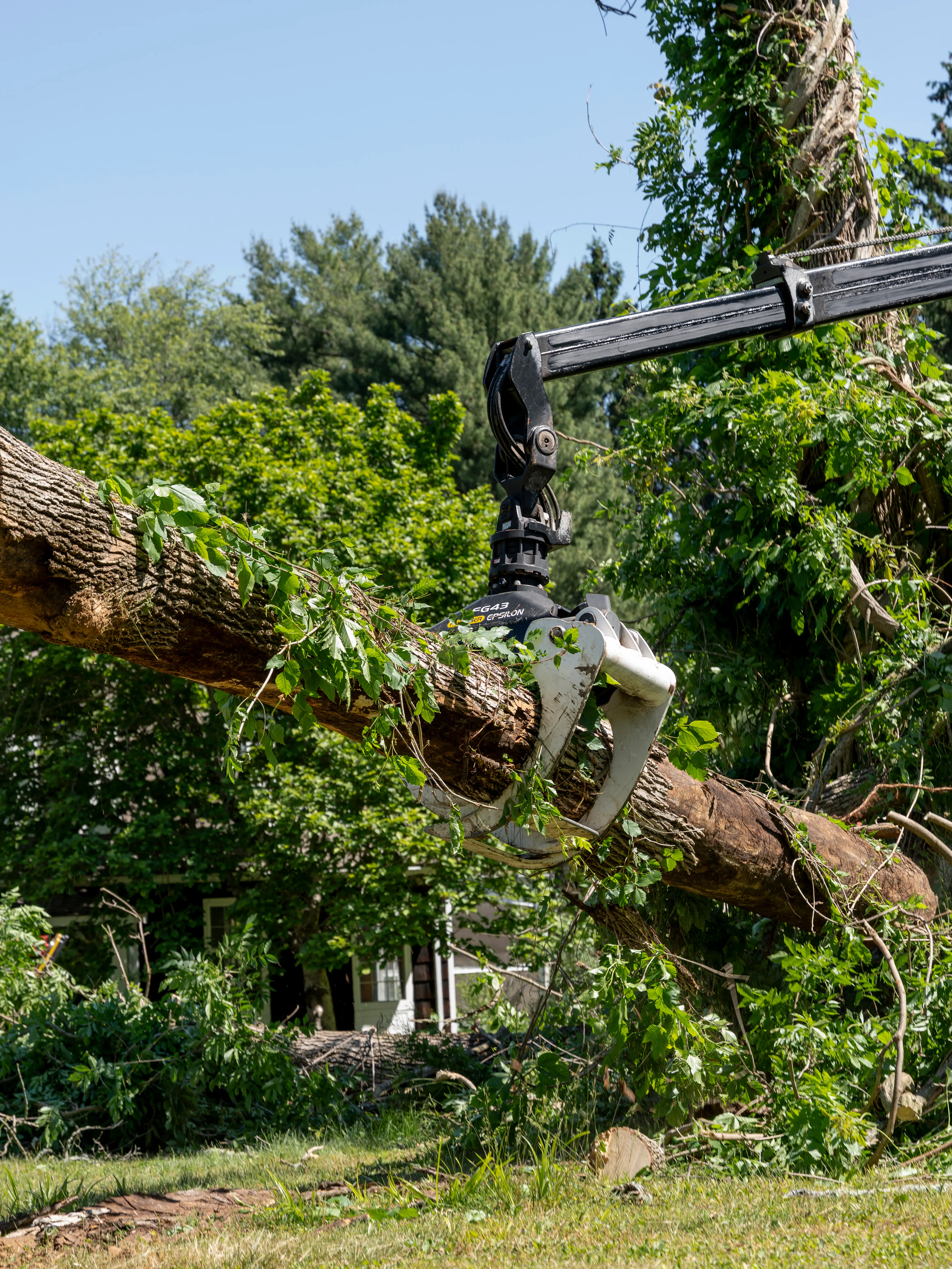
Summer storms can put significant stress on mature trees through high winds, heavy rain, lightning, and saturated soil. Learn how homeowners can identify hazardous branches, recognize tree stability concerns, prepare their property before severe weather, and know when professional tree care is needed after a storm.
.webp)
Healthy trees provide shade, beauty, privacy, and value, but problems can develop long before a tree appears obviously damaged. Learn 10 important signs of a healthy tree, the warning signs homeowners should watch for, and when professional tree care can help protect mature trees throughout New Jersey.
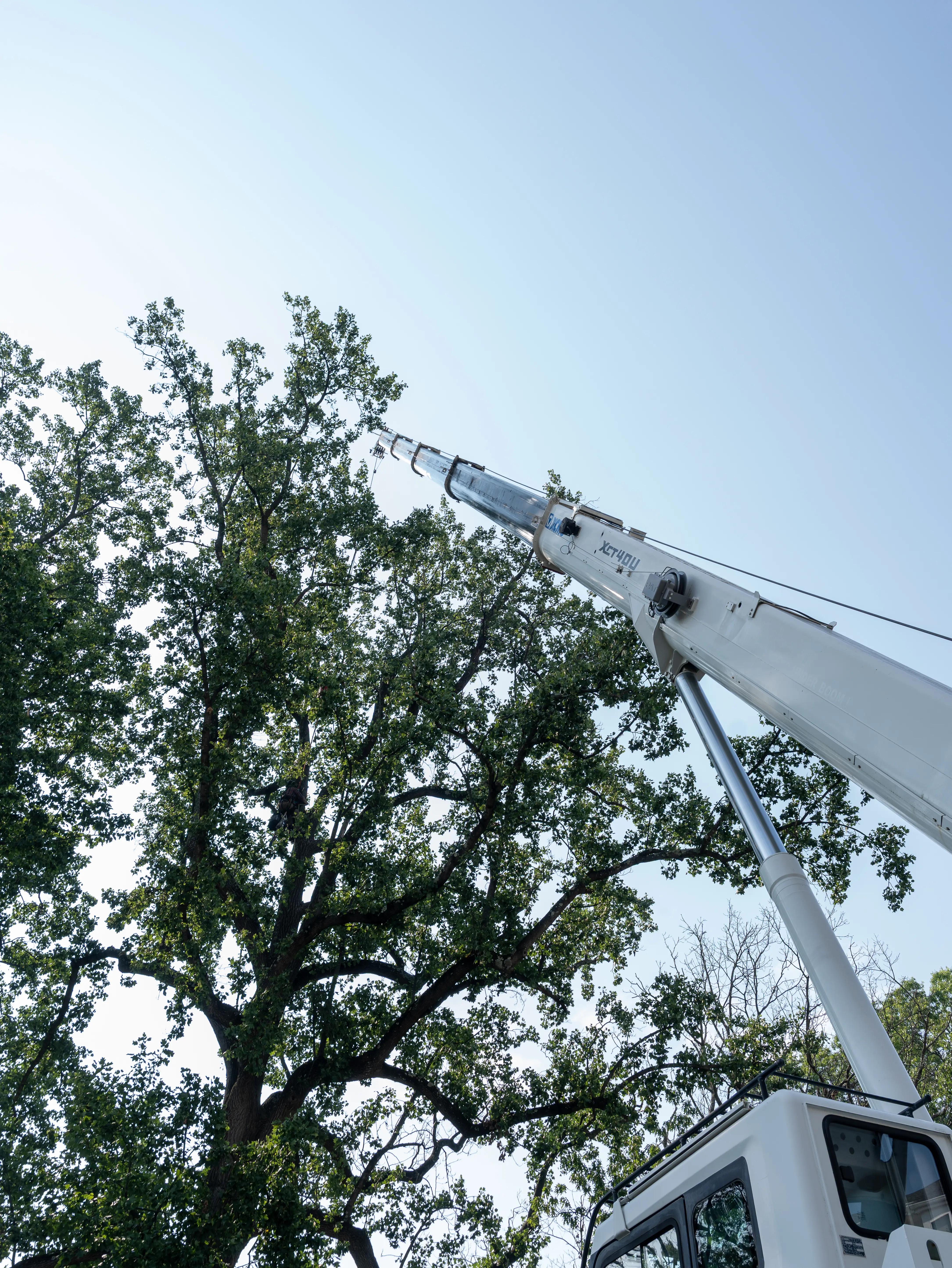
Common tree pests can weaken otherwise healthy trees and cause long-term damage when infestations go untreated. Learn how to recognize signs of insects, which pests commonly affect New Jersey trees, when treatment may be necessary, and how homeowners can protect their landscapes with professional tree care.

Stay connected with seasonal tips, expert advice, and updates from the team!
By Subscribing. your agree to our terms and receive exclusive tree care updates.