Learn 10 signs of a healthy tree and the warning signs that could indicate problems with your New Jersey trees.
.webp)
A mature tree can be one of the most valuable features of a New Jersey property. It can provide shade during the summer, improve privacy, create habitat for wildlife, and add character to a landscape. However, trees can also develop health and structural problems that are difficult for homeowners to recognize.
One of the most important questions a homeowner can ask is simple:
Is my tree actually healthy?
A tree may look fine from the ground while developing problems in its roots, trunk, or branches. On the other hand, a tree may have a few imperfections that are completely normal and do not indicate serious decline.
Knowing what to look for can help homeowners recognize changes early.
For homeowners in Madison, Union, Montclair, and Bernardsville, regular observation and professional tree care can help identify problems before they become serious safety or removal concerns.
Pine Valley Tree Service has been caring for New Jersey trees since 1974. Our experience has shown us that proactive tree care is often the best way to protect mature trees and the properties surrounding them.
There is no single characteristic that determines whether a tree is healthy.
A healthy tree typically has a combination of:
The appearance of a tree can also vary significantly depending on its species and the time of year.
A tree that naturally has sparse foliage should not automatically be considered unhealthy. Likewise, some bark changes are completely normal as trees mature.
The key is understanding what is normal for that particular tree and recognizing significant changes.
Leaves are one of the easiest parts of a tree for homeowners to observe.
During the growing season, a healthy tree should generally produce foliage consistent with its species and typical seasonal growth.
Look for:
Sudden changes in foliage can be a reason to investigate further.
A healthy canopy does not necessarily mean every branch is covered with leaves.
However, significant thinning compared with previous years can indicate stress.
Potential causes include:
If one portion of the canopy is dying while the rest remains healthy, the location of the decline may provide clues about the underlying problem.
Professional tree care services can help determine why a tree's canopy is changing.
New growth is another useful indicator of tree health.
Depending on the species, homeowners may notice:
Weak or unusually limited growth may indicate that a tree is under stress.
However, growth rates vary by species and environmental conditions, so this sign should be considered alongside other observations.
Tree bark naturally changes as trees grow.
Some species develop rough, peeling, or deeply ridged bark as part of their normal development.
The concern is when homeowners notice unusual changes, such as:
Damage to the trunk can expose internal wood and potentially create structural problems.
No.
Certain species naturally shed or change their bark.
However, large areas of bark loss combined with dead branches, decay, or declining foliage should be professionally evaluated.
Healthy tree structure matters just as much as foliage.
Look at how major branches connect to the trunk.
Potential concerns include:
Trees with poor structural architecture may be more vulnerable during high winds and severe weather.
Professional tree pruning and trimming can sometimes improve tree structure by addressing weak or problematic branches before they become hazardous.
A healthy tree should generally remain stable in the ground.
If a tree suddenly begins leaning, homeowners should take notice.
A new lean can indicate:
This is especially important following periods of heavy rain or strong winds.
Homeowners in Chatham, Summit, and Short Hills with mature trees should pay particular attention to changes in tree position after severe weather.
You cannot see most of a tree's roots, but the area around the base can provide useful information.
Look for:
Exposed roots are not always a problem. Many trees naturally have visible surface roots.
However, sudden changes in the soil around a tree can indicate erosion, root damage, or instability.
A few dead branches do not necessarily mean a tree is unhealthy.
Trees naturally shed branches over time.
The concern is when there is a significant or increasing amount of deadwood throughout the canopy.
Large dead branches can also become safety hazards.
Routine tree maintenance can help identify and remove hazardous deadwood before it falls.
Trees can develop a variety of diseases caused by fungi, bacteria, and other organisms.
Potential warning signs include:
Disease does not automatically mean the tree will need to be removed.
Some problems can be managed through proper tree care, environmental improvements, pruning, or other treatments.
The important part is identifying the problem correctly.
One of the best indicators of tree health is consistency.
If your tree has looked relatively stable for years and suddenly begins showing significant changes, something may have changed in its environment.
Think about what has happened around the tree.
Has there been:
Environmental changes can sometimes affect trees even when there is no obvious damage to the trunk or branches.
While healthy trees have many positive characteristics, homeowners should also understand the signs of potential decline.
Watch for:
Unexpected leaf loss can indicate stress, disease, insects, or root problems.
If entire sections of a canopy begin dying, the tree should be evaluated.
Soft, hollow, or visibly decaying areas may indicate structural problems.
A new lean can be a significant safety concern.
Large amounts of deadwood may indicate declining health or structural weakness.
Mushrooms around the base may sometimes indicate decay, although they are not automatically proof that a tree is dangerous.
In many cases, yes.
The sooner a tree problem is identified, the more options a homeowner may have.
Depending on the issue, professional care may include:
Not every unhealthy-looking tree needs to be removed.
A professional evaluation should determine whether preservation is realistic.
Tree removal is generally considered when a tree has become too hazardous, structurally compromised, or severely declined to remain safely on the property.
Potential reasons for removal include:
Professional tree removal services can safely address trees that have become hazards.
Healthy trees benefit from appropriate care throughout their lives.
Homeowners can support tree health by:
Avoid unnecessary digging, soil compaction, and construction activity around mature trees.
Trees can become stressed during prolonged hot and dry weather.
Incorrect pruning can create wounds and weaken tree structure.
Regular observation helps homeowners notice changes early.
Professional evaluations can identify problems that may not be obvious from the ground.
Homeowners can learn a lot by observing their trees, but some problems require trained eyes.
An experienced tree professional can evaluate:
For homeowners in Westfield, Verona, and Florham Park, regular professional tree care can provide peace of mind while helping preserve mature trees.
Look for healthy seasonal foliage, consistent growth, stable structure, normal bark, limited deadwood, and a stable root area. Significant changes from previous years may indicate an underlying issue.
Common warning signs include extensive branch dieback, declining foliage, severe trunk damage, root problems, significant decay, and sudden structural changes.
Yes. Certain structural and root problems can develop internally or beneath the soil. This is why periodic professional inspections are valuable for mature trees.
Not necessarily. Individual dead branches can often be removed through professional pruning. The condition of the overall tree determines whether removal is necessary.
Homeowners should monitor trees regularly and consider professional inspections every one to two years, particularly for mature trees near homes and other structures.
Yellow leaves can have many causes, including normal seasonal changes, drought, nutrient problems, disease, pests, and root issues. The timing and pattern of the discoloration are important.
Trees naturally shed some branches, but excessive branch loss may indicate disease, pests, drought stress, poor structure, or root problems.
Proper pruning can remove dead or damaged branches, improve structure, and support healthy growth. However, excessive or incorrect pruning can damage a tree.
Look for sudden leaning, soil movement, exposed or damaged roots, canopy decline, and other changes around the base of the tree. Root problems are often difficult to diagnose without professional evaluation.
Even healthy trees benefit from periodic inspection and maintenance. Preventative care can identify problems before they become serious and help maintain safe, healthy tree structure.
Professional help is recommended for large branches, mature trees, storm damage, trees near structures, significant leaning, suspected decay, or any situation where climbing or chainsaw work would be dangerous.
In some cases, yes. Proper pruning, monitoring, and preventative care can address certain problems before they become severe. However, trees with major structural or health problems may eventually require removal for safety.
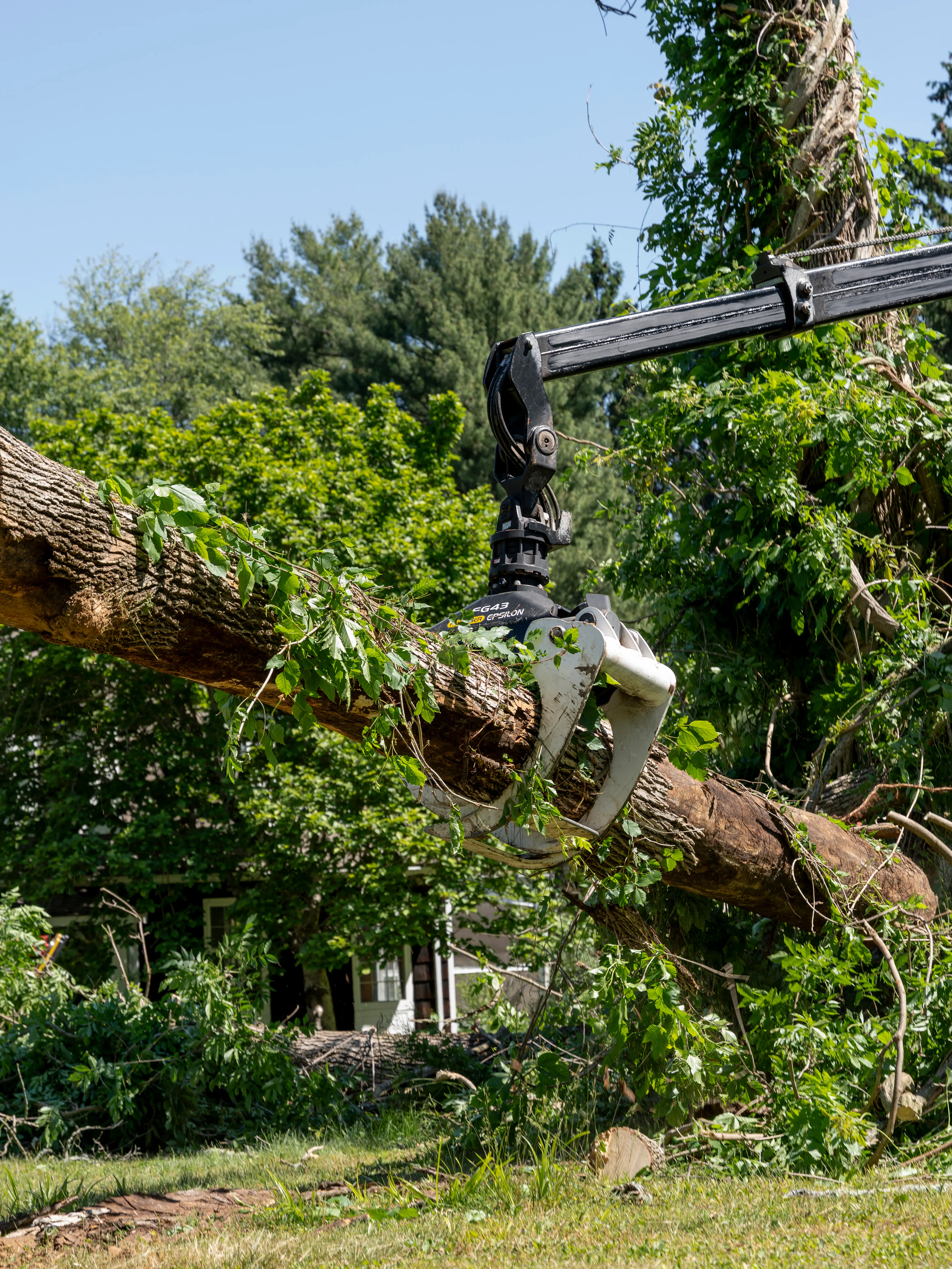
Summer storms can put significant stress on mature trees through high winds, heavy rain, lightning, and saturated soil. Learn how homeowners can identify hazardous branches, recognize tree stability concerns, prepare their property before severe weather, and know when professional tree care is needed after a storm.
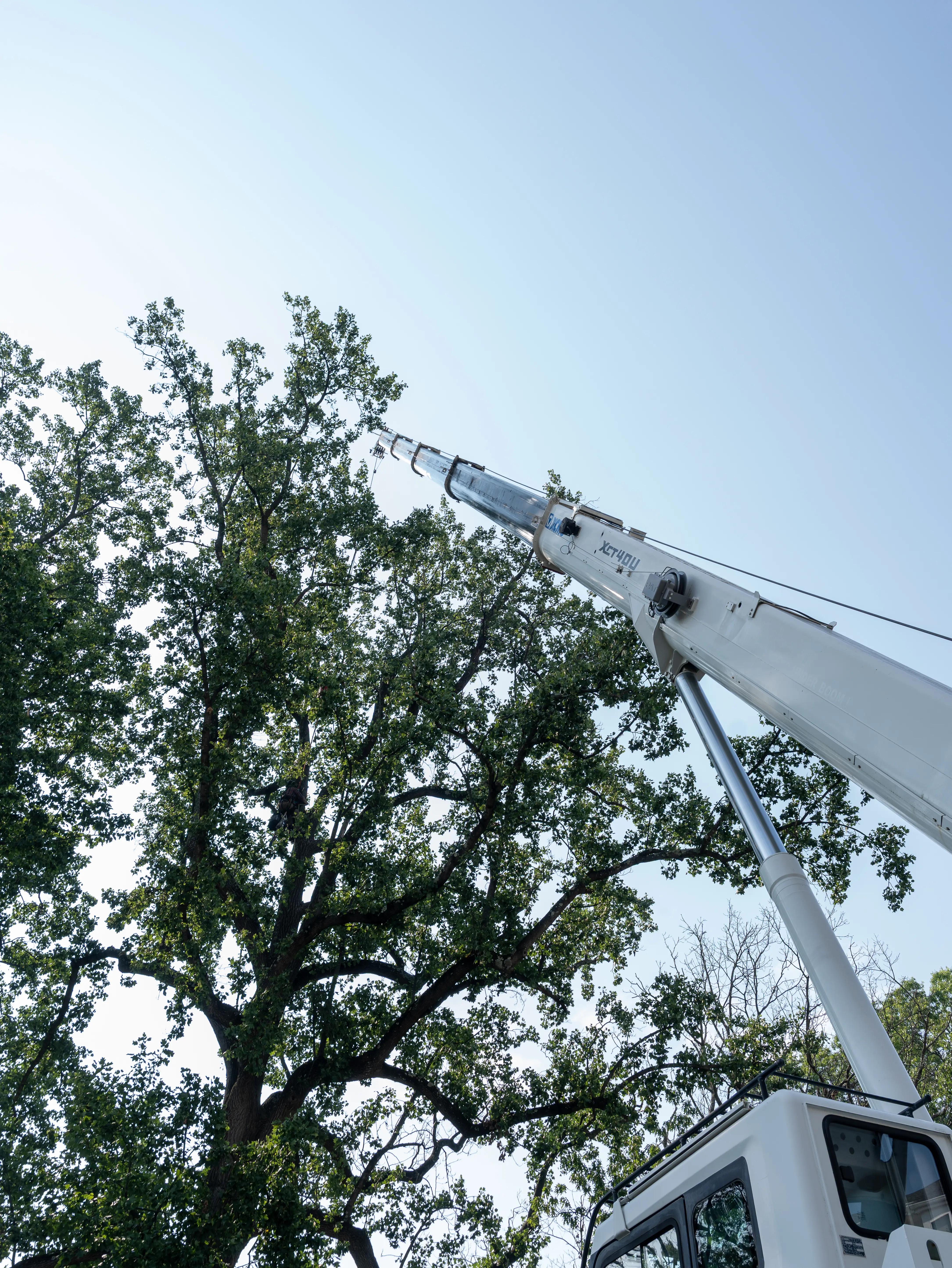
Common tree pests can weaken otherwise healthy trees and cause long-term damage when infestations go untreated. Learn how to recognize signs of insects, which pests commonly affect New Jersey trees, when treatment may be necessary, and how homeowners can protect their landscapes with professional tree care.
.webp)
Healthy roots are the foundation of a healthy and stable tree. Learn how soil compaction, construction, drainage problems, erosion, and other issues can damage tree roots, what warning signs homeowners should look for, and how professional tree care can help protect mature trees throughout New Jersey.

Stay connected with seasonal tips, expert advice, and updates from the team!
By Subscribing. your agree to our terms and receive exclusive tree care updates.