Learn how to identify common tree pests, recognize early damage, and protect your New Jersey trees from infestations.
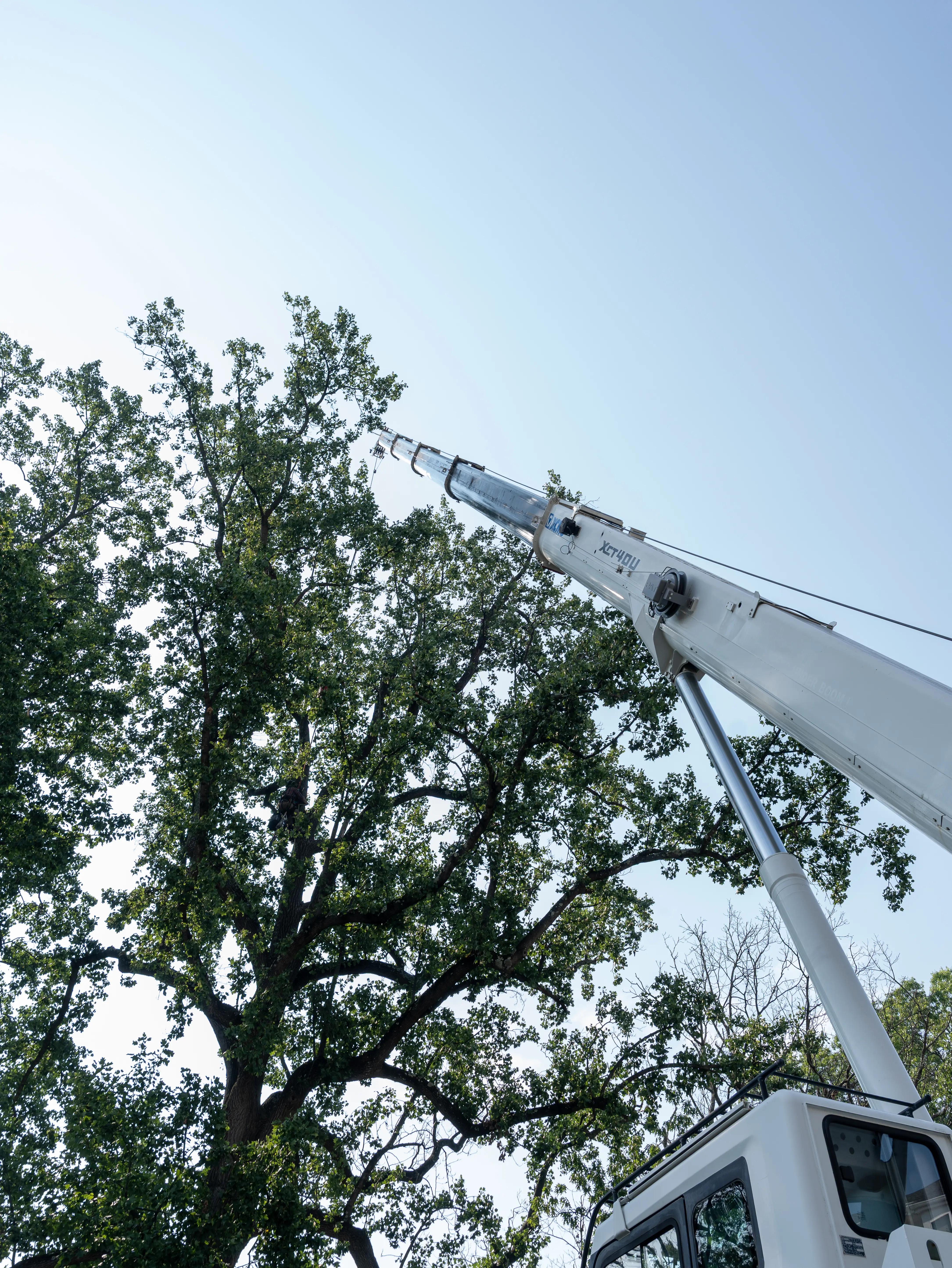
A healthy tree can provide shade, privacy, beauty, and value to your property for decades. However, trees are living organisms, and like any living part of your landscape, they can be affected by insects and other pests.
Tree pest problems are particularly important during the warmer months in New Jersey. As temperatures rise, many insects become more active and homeowners may begin noticing changes in their trees, including damaged leaves, thinning canopies, holes in bark, dying branches, or unusual insect activity.
The challenge is that not every insect means a tree is infested, and not every symptom means a tree needs to be removed. Correctly identifying the problem is the first step toward determining the appropriate solution.
Homeowners in Ridgewood, Montclair, Basking Ridge, and Madison can protect their trees by learning what to look for and addressing potential problems before an infestation causes significant decline.
Pine Valley Tree Service has been caring for New Jersey trees since 1974. Our experienced team understands the importance of looking at the entire tree and its growing environment when evaluating health problems.
A small insect population may not initially seem like a major concern. However, certain pests can reproduce quickly and cause extensive damage if conditions allow an infestation to spread.
Depending on the pest, damage can affect:
Repeated pest damage can weaken a tree over time and make it more vulnerable to disease, drought, storms, and other environmental stresses.
Professional tree care services can help homeowners identify potential problems and determine whether treatment or additional maintenance is appropriate.
New Jersey has a wide variety of native and introduced insects that can affect residential trees.
Emerald ash borer is one of the most well-known destructive tree pests in North America.
This invasive beetle attacks ash trees by laying eggs in the bark. The larvae then feed beneath the bark, disrupting the tree's ability to transport water and nutrients.
Signs of emerald ash borer damage can include:
Ash trees showing significant decline should be professionally evaluated.
Spotted lanternflies have become a familiar sight throughout New Jersey.
While spotted lanternflies can be found on many types of plants, they are particularly associated with certain host trees and can occur in large numbers.
Homeowners may notice:
Seeing a few lanternflies does not necessarily mean a tree is in immediate danger. However, heavy infestations can contribute to stress, particularly when combined with other environmental factors.
Scale insects can be difficult to recognize because they often appear as small bumps or growths attached to branches and leaves.
Depending on the species, scale can affect:
Heavy infestations can cause leaf discoloration, branch dieback, and reduced plant vigor.
Aphids are small insects that feed on plant sap.
They can occur in large numbers and are often found on young shoots and the undersides of leaves.
Signs of aphid activity may include:
Aphids are common, and their presence does not always mean serious long-term damage will occur. The severity of the infestation and the condition of the tree both matter.
Identifying tree pests can be difficult because different insects cause different types of damage.
Homeowners should watch for changes such as:
Small holes can sometimes indicate boring insects.
However, holes can have several causes, so they should be evaluated alongside other symptoms.
A tree with a significantly thinner canopy than normal may be experiencing stress.
Possible causes include:
Branch dieback can occur when pests interfere with a tree's ability to transport water and nutrients.
Dead branches should be evaluated because they can also become safety hazards.
Look for:
These symptoms can provide clues about what is affecting the tree.
No.
This is an important distinction for homeowners.
Finding insects on a tree does not automatically mean the tree is dying or needs to be removed.
Healthy trees can often tolerate certain levels of insect activity, particularly when they have adequate water, healthy roots, proper soil conditions, and good overall structure.
The concern increases when:
Professional evaluation can help determine whether the tree requires treatment, monitoring, pruning, or other care.
Tree health is interconnected.
A tree dealing with poor soil conditions, drought, root damage, or structural problems may be less capable of dealing with pest pressure.
That is why tree care should not focus exclusively on eliminating insects.
A comprehensive approach considers:
Maintaining healthy trees is often the best long-term defense against environmental stress.
There are several steps homeowners can take to support healthier trees.
Walk your property periodically and look at your trees from different angles.
Check the trunk, branches, and canopy for changes.
New leaves and shoots can provide useful information about tree health.
Weak, distorted, or declining new growth may indicate an underlying problem.
Lawn equipment, vehicles, construction, and landscaping activities can damage tree bark.
Open wounds can create opportunities for pests and disease organisms.
Trees experiencing drought stress can become more vulnerable to environmental pressures.
During periods of hot and dry weather, homeowners should pay particular attention to the water needs of established landscape trees.
If you notice a significant change in your tree, do not wait until the entire canopy begins declining.
Early evaluation can provide more options for protecting the tree.
Consider contacting a professional if you notice:
An experienced tree professional can evaluate the symptoms and help determine what may be causing them.
Homeowners in Chester, Springfield, and Morristown with mature trees can benefit from periodic professional evaluations, especially when trees show noticeable changes.
Sometimes.
Removing heavily damaged or dead branches can improve the overall condition of a tree and eliminate areas that are no longer contributing to healthy growth.
However, pruning is not a universal treatment for insect infestations.
The type of pest, location of the infestation, tree species, and severity of the problem all need to be considered.
Professional tree pruning and trimming should focus on the health and structure of the tree rather than simply removing branches that look different.
Most insect problems do not automatically require tree removal.
Removal may become a consideration when an infestation has contributed to severe decline and the tree has become structurally unsafe.
For example, a tree that has extensive deadwood, major trunk decay, root failure, or severe structural damage may no longer be a safe candidate for preservation.
In those situations, professional tree removal may be recommended to protect the surrounding property.
The goal should always be to preserve healthy trees whenever reasonably possible.
Summer is an important time to monitor tree health.
High temperatures, drought conditions, thunderstorms, and insect activity can all place additional stress on trees.
Homeowners should periodically check for:
A tree that is already struggling may be more vulnerable when several stressors occur at the same time.
Tree problems are not always straightforward.
A yellowing leaf could be caused by an insect, disease, nutrient deficiency, drought, or root problem. Bark damage could be caused by insects, mechanical injury, or natural changes in the tree.
That is why proper identification matters before deciding on a treatment.
Pine Valley Tree Service takes a comprehensive approach to tree health. Our team evaluates the tree, its surroundings, and the symptoms present before determining what type of care may be appropriate.
With decades of experience serving New Jersey homeowners, we understand that the best tree care plan is one designed around the specific tree and property.
Common pests affecting New Jersey trees include emerald ash borer, spotted lanternfly, aphids, scale insects, and various boring insects. The specific pest depends on the tree species, location, and environmental conditions.
Warning signs can include thinning foliage, branch dieback, bark damage, holes, unusual insect activity, and declining growth. However, these symptoms can also be caused by disease, drought, or root problems.
Spotted lanternflies can contribute to stress, particularly when present in large numbers. Their impact can vary depending on the tree and surrounding environmental conditions.
Yes. Many trees can recover from limited pest damage when the underlying problem is addressed and the tree remains otherwise healthy.
Usually not. Insects alone are not generally a reason to remove a tree. The severity of the infestation and the tree's overall health should be evaluated first.
Many insects become more active during the warmer months, although activity varies by species and weather conditions.
Proper pruning can help maintain healthy tree structure and remove dead or damaged branches, but pruning alone does not prevent every type of pest infestation.
Sticky residue may be honeydew produced by certain insects, including aphids and other sap-feeding pests. If you notice significant residue, it is worth having the tree evaluated.
Ants may be attracted to honeydew produced by sap-feeding insects. Their presence can sometimes indicate aphids, scale, or another insect population nearby.
Some pests can spread from one tree to another. If multiple trees are showing similar symptoms, professional evaluation can help determine whether there is a broader infestation.
Homeowners should avoid applying treatments without first identifying the pest and determining whether treatment is actually necessary. The appropriate approach depends on the insect, tree species, severity, and environmental conditions.
Monitor trees regularly, provide appropriate water during dry periods, avoid damaging roots and bark, address dead or hazardous branches, and have significant changes evaluated by a professional.
Call a professional if you notice rapid decline, significant dieback, extensive insect activity, bark damage, or unexplained changes in your trees. Early evaluation can provide more opportunities to protect the tree.
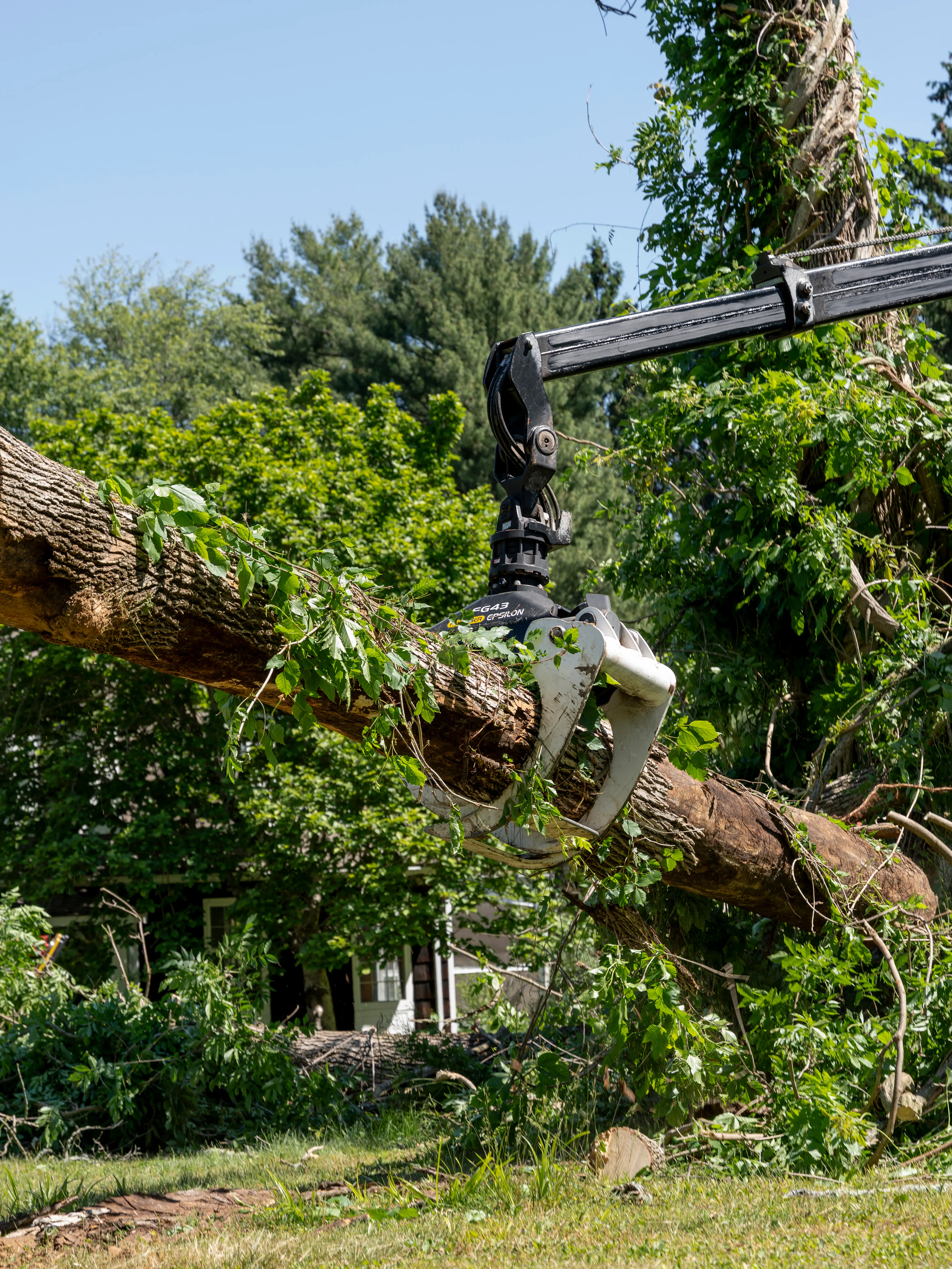
Summer storms can put significant stress on mature trees through high winds, heavy rain, lightning, and saturated soil. Learn how homeowners can identify hazardous branches, recognize tree stability concerns, prepare their property before severe weather, and know when professional tree care is needed after a storm.
.webp)
Healthy trees provide shade, beauty, privacy, and value, but problems can develop long before a tree appears obviously damaged. Learn 10 important signs of a healthy tree, the warning signs homeowners should watch for, and when professional tree care can help protect mature trees throughout New Jersey.
.webp)
Healthy roots are the foundation of a healthy and stable tree. Learn how soil compaction, construction, drainage problems, erosion, and other issues can damage tree roots, what warning signs homeowners should look for, and how professional tree care can help protect mature trees throughout New Jersey.

Stay connected with seasonal tips, expert advice, and updates from the team!
By Subscribing. your agree to our terms and receive exclusive tree care updates.