Heavy winds and rain can damage trees across New Jersey. Learn how Pine Valley Tree Service helps homeowners with storm damage, fallen trees, and emergency tree removal.
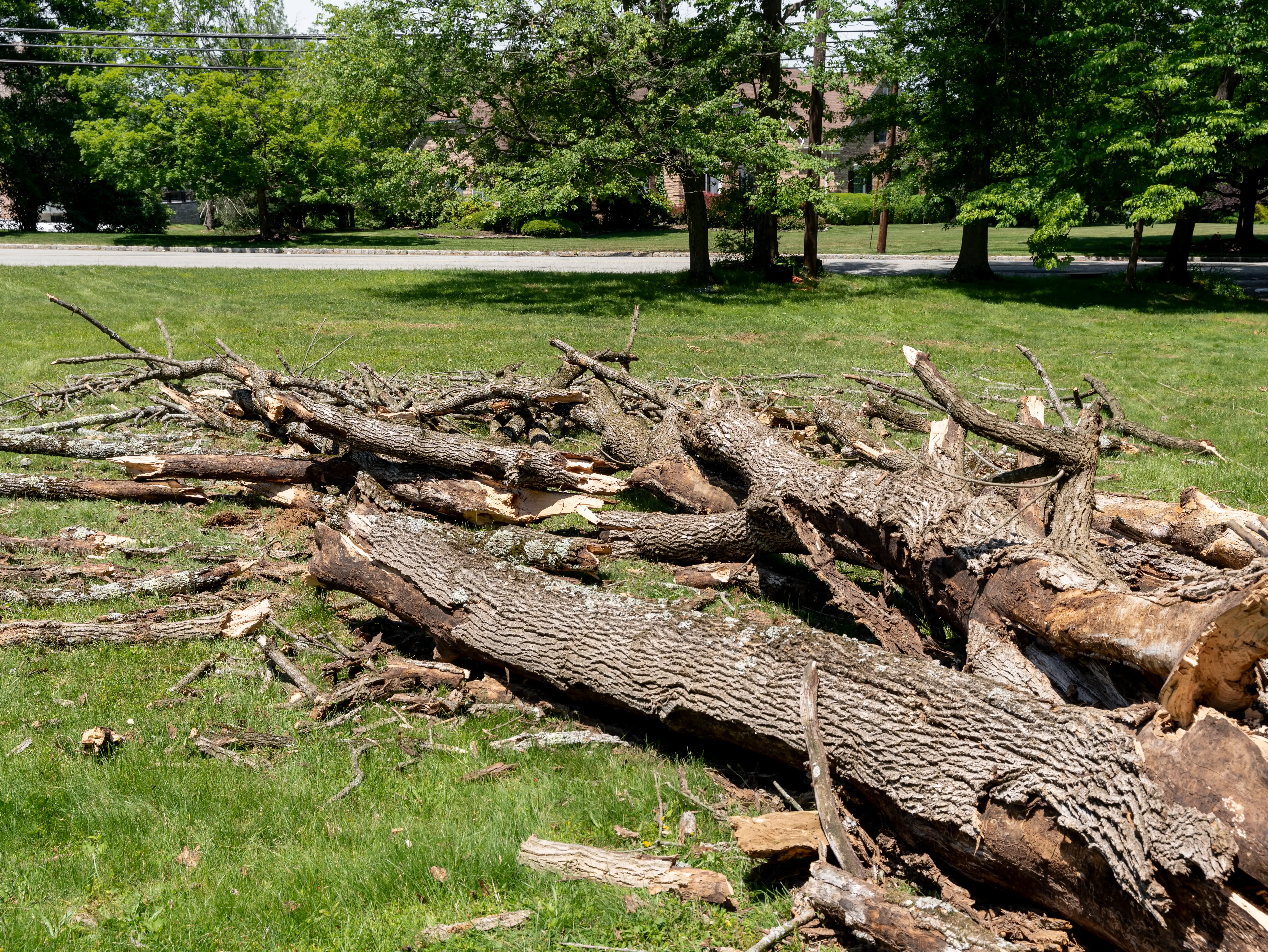
Summer storms in New Jersey can develop quickly. Strong winds, heavy rainfall, lightning, and severe thunderstorms can put enormous stress on residential trees, causing broken branches, uprooted trees, and dangerous conditions around homes.
Many homeowners do not realize that storm damage is not always obvious immediately. A tree may appear to be standing normally after a storm while still having serious structural problems that increase the risk of failure days, weeks, or even months later.
After severe summer weather, homeowners throughout Northern New Jersey, including Morristown, Maplewood, Westfield, and Bridgewater, should inspect their trees for signs of damage and know when it is time to call a professional.
Since 1974, Pine Valley Tree Service has helped homeowners protect their properties with professional tree assessments, pruning, and safe tree removal. Our team understands the challenges New Jersey homeowners face when storms impact mature trees near homes, driveways, and outdoor spaces.
Trees are naturally designed to withstand weather conditions, but extreme storms can overwhelm even healthy trees.
Heavy winds and rainfall can affect trees in several ways:
A tree does not have to fall completely to become a safety hazard. A damaged tree can remain standing while becoming unstable and more likely to fail during the next storm.
Professional tree care services help identify storm-related issues before they become larger problems.
One of the most noticeable signs of storm damage is broken limbs.
After a severe thunderstorm, homeowners should look for:
Large hanging branches are especially dangerous because they can fall without warning.
Even if a branch is still attached, it may no longer have the structural support needed to remain safely in the tree.
A tree that was standing straight before a storm but is now leaning should be inspected immediately.
A sudden lean can indicate:
Trees with damaged roots can become unstable because the root system is responsible for keeping the tree anchored.
Homeowners in areas like Summit, Livingston, and Bernardsville often have mature trees that require professional evaluation after major storms.
Heavy wind can put significant pressure on tree trunks, especially large mature trees.
Warning signs include:
A cracked trunk can compromise the entire structure of a tree.
In many cases, trunk damage cannot be corrected through pruning alone and may require professional removal.
Heavy summer rainfall can create another issue homeowners may not immediately notice: unstable soil.
When the ground becomes saturated, trees may lose some of their stability.
Excess moisture can contribute to:
This is especially important for older trees or trees located near slopes, drainage areas, or construction zones.
Many homeowners wait after a storm because the tree has not fallen yet. However, damaged trees often become more dangerous over time.
Ignoring storm damage can lead to:
A tree that appears manageable today could become an emergency after the next storm.
Professional hazardous tree removal helps reduce these risks and keeps properties safer.
Avoid standing underneath damaged trees or branches.
Do not attempt to remove:
These situations require professional equipment and experience.
Before cleanup begins:
Documentation can help with insurance claims and future planning.
A professional assessment determines whether a tree can be saved or if removal is necessary.
During an inspection, experts evaluate:
Pine Valley Tree Service provides homeowners with honest recommendations based on safety and long-term tree health.
Not every storm-damaged tree needs to be removed.
Depending on the severity of the damage, trees may be improved through:
However, trees with major trunk damage, severe leaning, or compromised roots may need removal.
The goal is always to preserve healthy trees when possible while protecting homeowners and their property.
While no tree can be completely protected from severe weather, proper maintenance can reduce risks.
Preventative tree care includes:
Routine tree trimming services can improve tree structure and reduce weak branches that are more likely to fail during storms.
Storm damage requires more than basic cleanup. Trees can be heavy, unstable, and unpredictable after severe weather.
Pine Valley Tree Service brings decades of experience helping homeowners throughout Northern New Jersey safely address tree emergencies.
Our team helps with:
We proudly serve homeowners throughout communities including Chatham, Cedar Grove, and Warren, providing dependable tree care when it matters most.
Stay away from the fallen tree and avoid attempting removal yourself. If the tree is near your home, vehicles, or power lines, contact a professional tree service for safe removal.
Yes. Heavy rain can saturate soil, weaken root stability, and increase the chance of tree failure, especially when combined with strong winds.
Look for leaning, cracked trunks, broken branches, exposed roots, missing bark, or large limbs hanging from the tree.
A leaning tree should be professionally inspected. Some trees can be corrected or monitored, while others may require removal due to safety concerns.
Some trees recover with proper pruning and care. The ability to recover depends on the type and severity of the damage.
Dangerous trees should be addressed as soon as possible, especially if they are near homes, driveways, walkways, or other structures.
Coverage varies depending on your policy and the circumstances of the damage. Homeowners should contact their insurance provider for specific information.
Yes. Removing weak, dead, or damaged branches before severe weather can reduce the risk of storm-related damage.
Most homeowners benefit from inspections every one to two years, especially if they have large mature trees near their home.
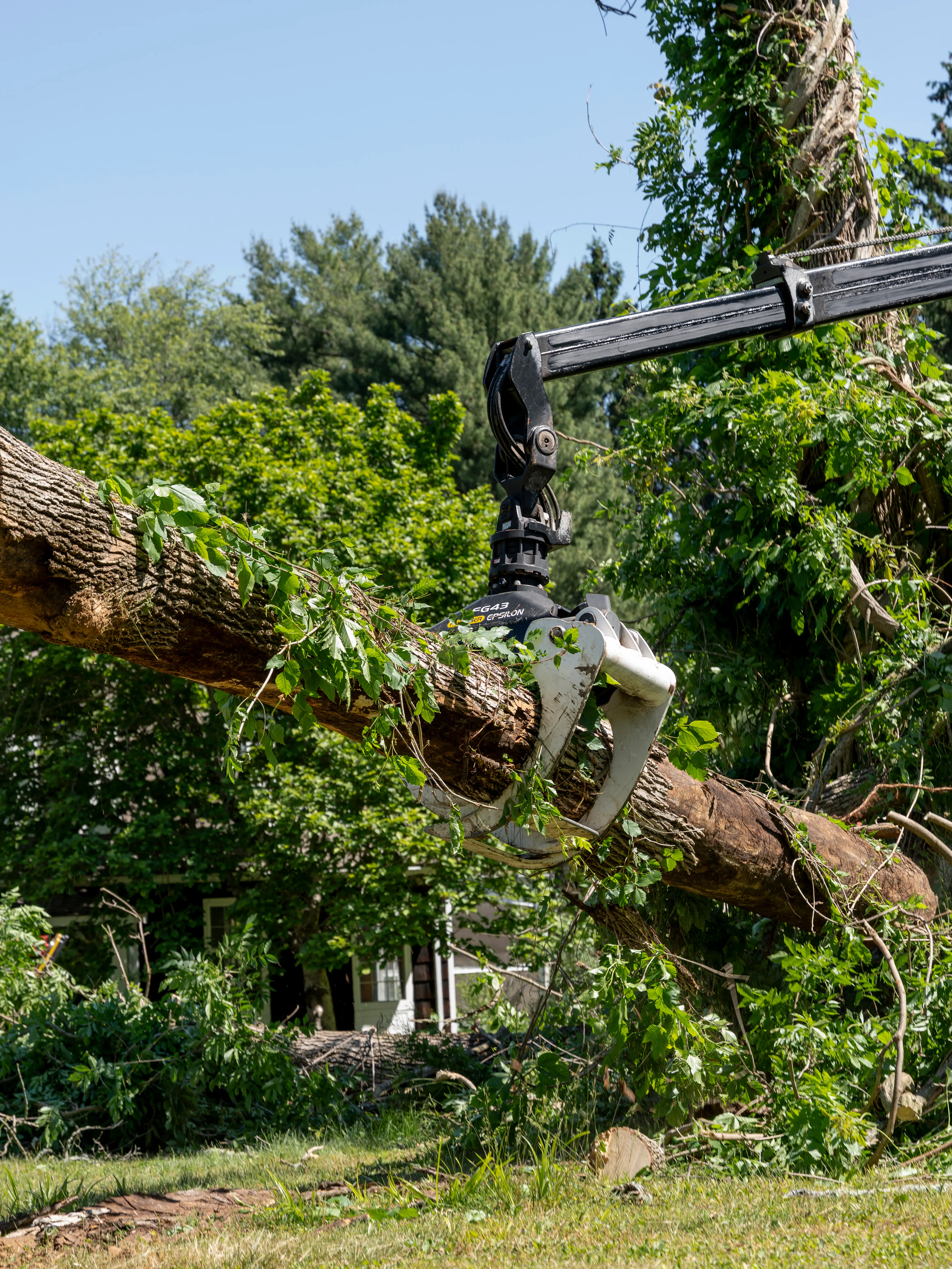
Summer storms can put significant stress on mature trees through high winds, heavy rain, lightning, and saturated soil. Learn how homeowners can identify hazardous branches, recognize tree stability concerns, prepare their property before severe weather, and know when professional tree care is needed after a storm.
.webp)
Healthy trees provide shade, beauty, privacy, and value, but problems can develop long before a tree appears obviously damaged. Learn 10 important signs of a healthy tree, the warning signs homeowners should watch for, and when professional tree care can help protect mature trees throughout New Jersey.
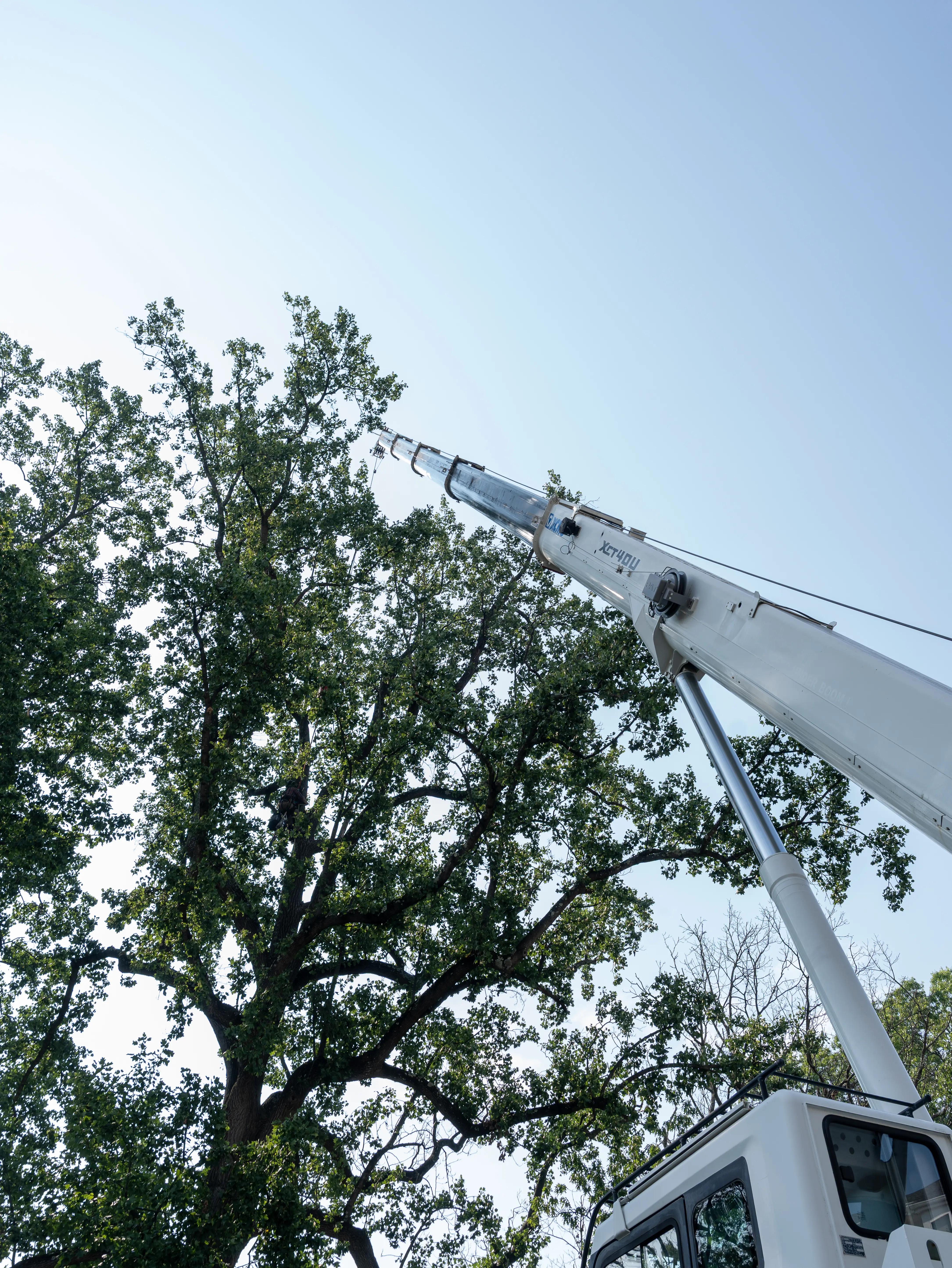
Common tree pests can weaken otherwise healthy trees and cause long-term damage when infestations go untreated. Learn how to recognize signs of insects, which pests commonly affect New Jersey trees, when treatment may be necessary, and how homeowners can protect their landscapes with professional tree care.

Stay connected with seasonal tips, expert advice, and updates from the team!
By Subscribing. your agree to our terms and receive exclusive tree care updates.