Learn the warning signs of an unsafe tree before it causes property damage. Pine Valley Tree Service helps NJ homeowners with tree safety inspections, pruning, and removal.

Trees add beauty, shade, and value to New Jersey properties. However, when a tree becomes unhealthy, damaged, or structurally unstable, it can quickly become a safety concern.
Homeowners throughout Northern New Jersey often overlook early warning signs because tree problems can develop slowly over time. A tree that appears healthy from a distance may have hidden decay, root problems, or structural weaknesses that increase the risk of failure.
At Pine Valley Tree Service, we have helped homeowners protect their properties since 1974 by identifying tree hazards before they become emergencies. Whether you live in Morristown, Summit, Livingston, or Basking Ridge, understanding tree safety can help prevent costly damage and protect your family.
New Jersey properties often have mature trees that have been growing for decades. While older trees can be beautiful additions to a landscape, age, weather exposure, and environmental stress can impact their stability.
A professional tree inspection evaluates:
Regular inspections are especially important after severe weather events, including heavy snow, ice storms, and summer thunderstorms.
Professional tree care services help homeowners identify problems early and determine whether pruning, treatment, or removal is the safest solution.
Dead branches are one of the most common warning signs that a tree may become hazardous.
Large dead limbs can fall unexpectedly during:
Branches hanging above homes, driveways, sidewalks, or play areas create a higher safety risk because they can cause damage or injury if they fail.
Some trees naturally grow with a slight lean. However, a sudden change in angle can indicate a serious problem.
A leaning tree may have:
If a tree begins leaning toward your home, garage, driveway, or power lines, it should be inspected by a professional.
Trunk cracks are a major concern because the trunk provides the main structural support for the tree.
Signs of trunk damage include:
These issues may indicate internal weakness that cannot always be seen from the outside.
Healthy roots are essential for tree stability. When roots become damaged, the entire tree can become compromised.
Common root issues include:
Properties in areas like Chatham, Westfield, and Essex Fells often have mature landscapes where root health plays an important role in long-term tree stability.
While mushrooms do not always mean a tree is unsafe, they can sometimes indicate decay below the surface.
Fungal growth near the base of a tree may suggest:
A certified arborist can determine whether treatment is possible or if removal is the safest option.
Not every damaged tree needs to be removed. Many trees can be preserved through proper pruning, maintenance, and treatment.
However, removal may be recommended when:
Professional hazardous tree removal helps reduce risks while protecting surrounding property.
Pine Valley Tree Service takes a careful approach to every tree assessment. Our team evaluates the condition of the tree and provides recommendations based on safety, health, and long-term property goals.
Our approach includes:
For homeowners in Madison, Roseland, and Bernardsville, professional tree care provides peace of mind and helps maintain safe outdoor spaces.
Common warning signs include dead branches, cracks in the trunk, sudden leaning, root problems, visible decay, and branches hanging over structures. A professional inspection is the best way to determine whether a tree poses a safety risk.
Yes. Some tree problems develop internally and may not be visible from the outside. Internal decay, root damage, and structural weaknesses can create hazards even when a tree appears healthy.
A leaning tree should always be evaluated. A slight natural lean may not be dangerous, but sudden leaning can indicate root failure or structural instability.
Most homeowners should consider having trees inspected every one to two years. Additional inspections are recommended after major storms or if you notice changes in tree health.
Ignoring a dangerous tree can increase the chance of branch failure, property damage, and personal injury. Addressing problems early is usually safer and more cost-effective.
Sometimes. Removing damaged or unstable branches can improve safety, but severely compromised trees may require removal.
Yes. Pine Valley Tree Service helps homeowners address urgent tree hazards caused by storms, fallen trees, and unexpected damage.
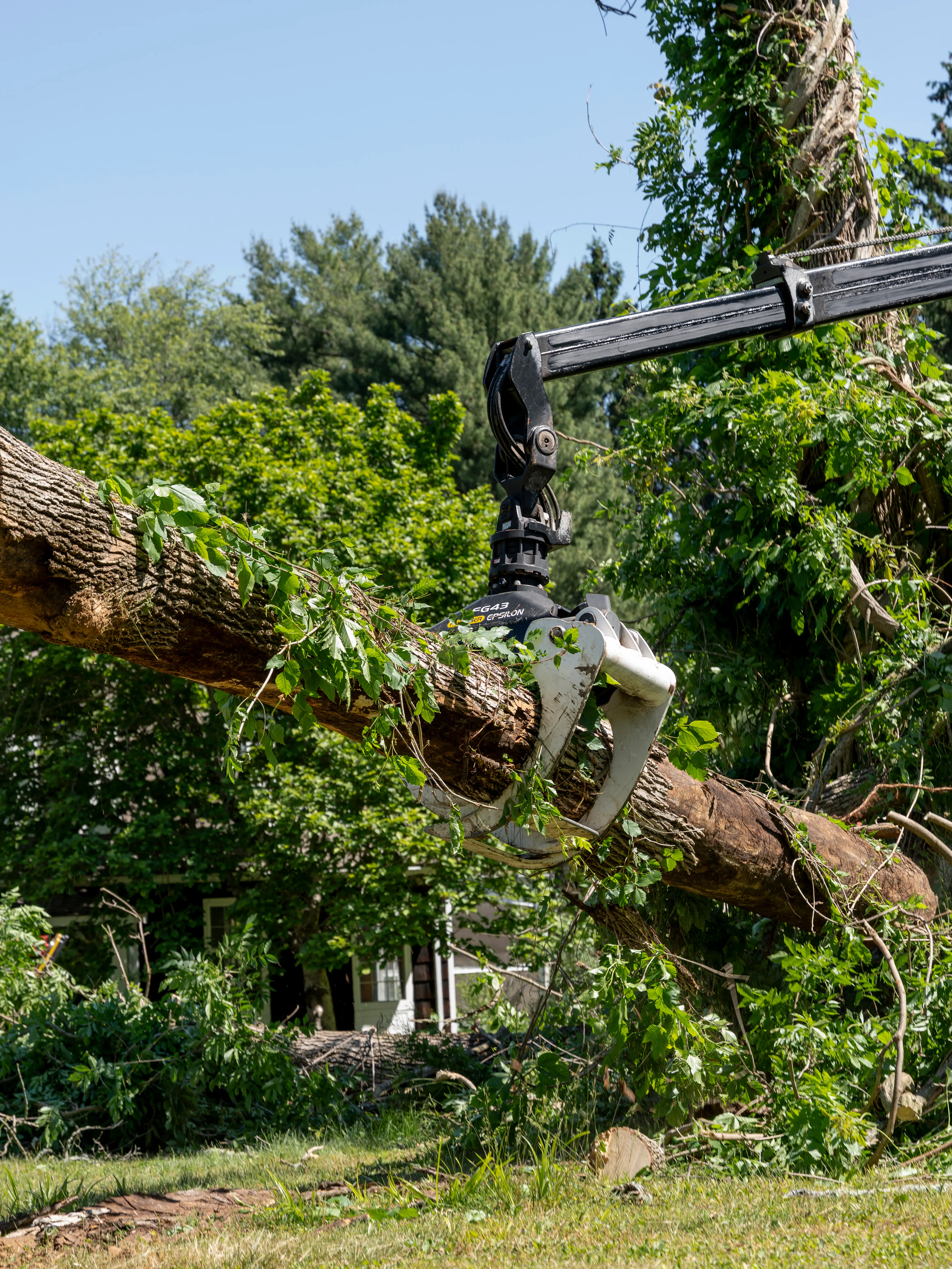
Summer storms can put significant stress on mature trees through high winds, heavy rain, lightning, and saturated soil. Learn how homeowners can identify hazardous branches, recognize tree stability concerns, prepare their property before severe weather, and know when professional tree care is needed after a storm.
.webp)
Healthy trees provide shade, beauty, privacy, and value, but problems can develop long before a tree appears obviously damaged. Learn 10 important signs of a healthy tree, the warning signs homeowners should watch for, and when professional tree care can help protect mature trees throughout New Jersey.
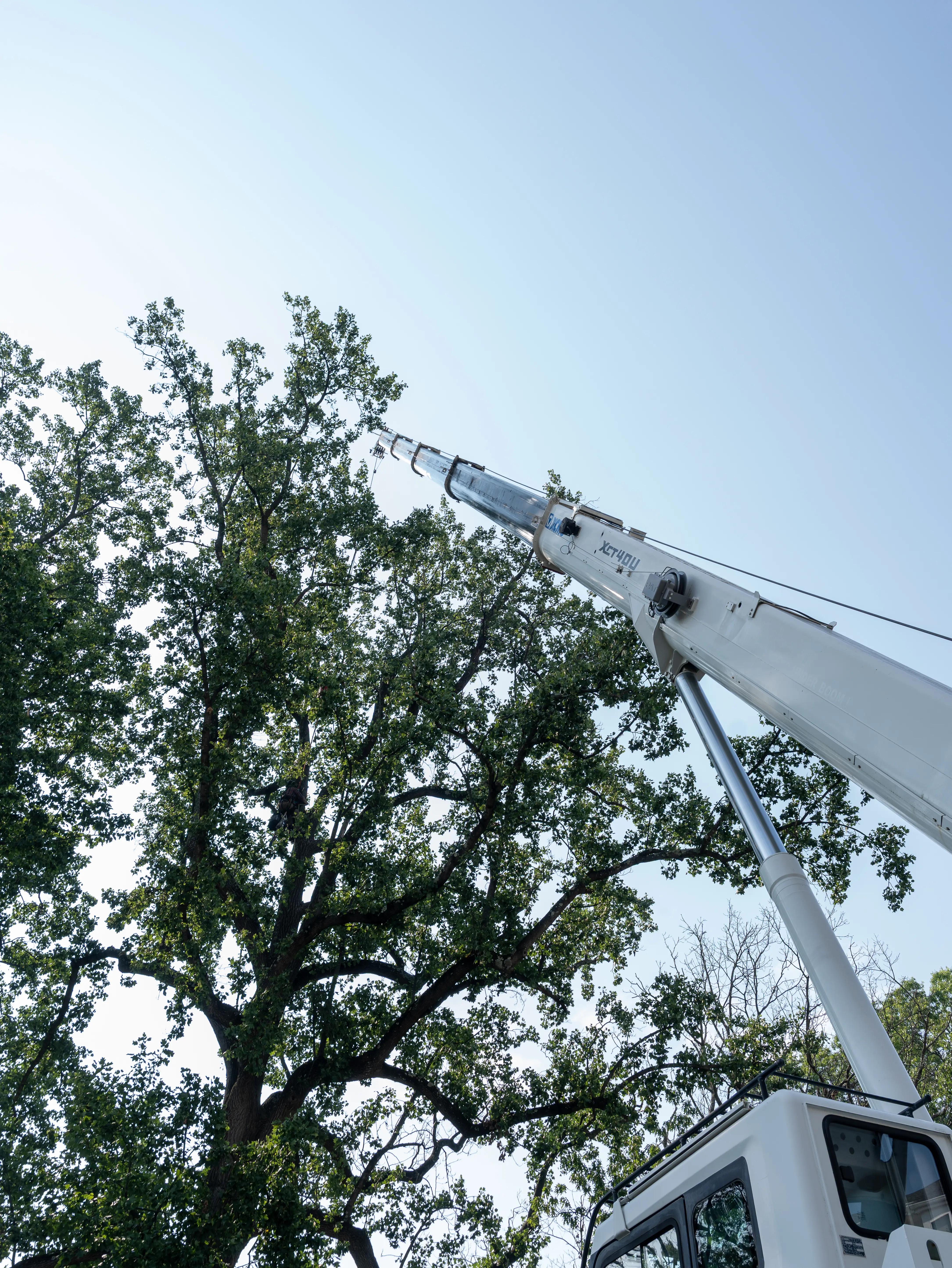
Common tree pests can weaken otherwise healthy trees and cause long-term damage when infestations go untreated. Learn how to recognize signs of insects, which pests commonly affect New Jersey trees, when treatment may be necessary, and how homeowners can protect their landscapes with professional tree care.

Stay connected with seasonal tips, expert advice, and updates from the team!
By Subscribing. your agree to our terms and receive exclusive tree care updates.