Learn what affects tree service costs in New Jersey and what homeowners should consider when hiring a professional.
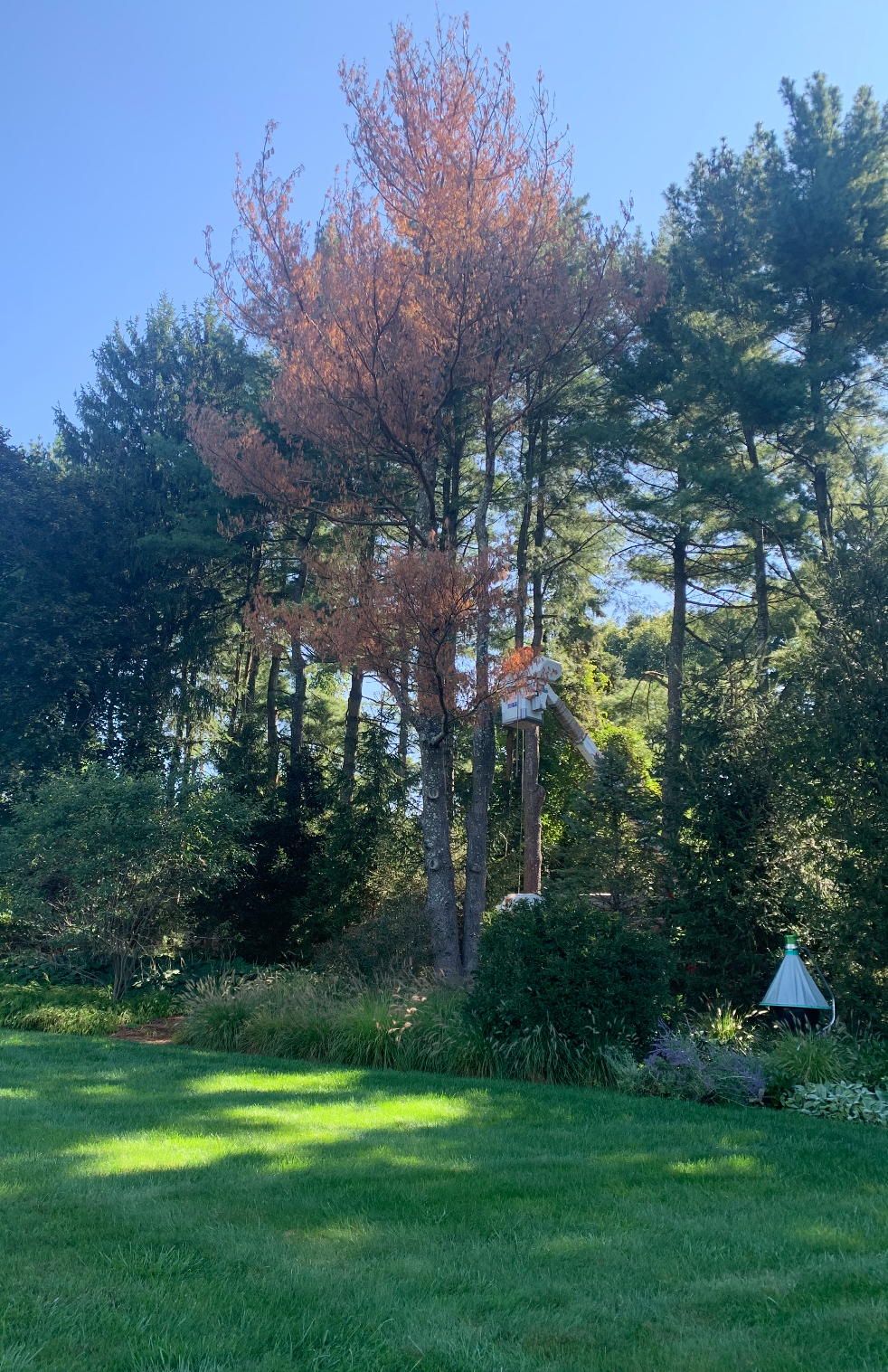
If you are a New Jersey homeowner looking into tree removal, pruning, stump grinding, or other tree services, one of the first questions you may have is, “How much is this going to cost?”
Tree service pricing can vary significantly from one property to another. The size of the tree, its location, accessibility, condition, and the type of work required can all affect the final cost. A small tree in an open backyard is a very different project from a large mature tree growing next to a house, driveway, or utility line.
For homeowners throughout Northern and Central New Jersey, including Morristown, Scotch Plains, Bernardsville, and Montclair, understanding what goes into professional tree service pricing can help you make a more informed decision and compare estimates more accurately.
Pine Valley Tree Service has been helping New Jersey homeowners care for their properties since 1974. Our approach is centered around doing the work safely, protecting surrounding property, and recommending the right solution for each individual tree.
There is no single price for tree removal or tree care because every property presents different challenges.
Several factors can influence the cost of a project.
The size of the tree is one of the most important factors.
A small ornamental tree may be relatively straightforward to prune or remove, while a mature tree can require specialized equipment, additional crew members, and more time to safely complete the work.
Large trees may also require additional planning because branches and sections of the trunk need to be carefully lowered rather than simply allowed to fall.
Where a tree is located can have a major impact on the complexity of the job.
A tree growing in an open backyard may be relatively accessible. A tree growing between a house and garage, beside a driveway, or near a power line requires significantly more care.
Tree service professionals may need to account for:
This is one reason why an on-site evaluation is often more useful than trying to determine a price based solely on a photograph.
A healthy tree and a severely compromised tree can require very different approaches.
Diseased, decayed, split, or storm-damaged trees can be unpredictable. Weak branches may break unexpectedly, and compromised trunks or root systems can increase the difficulty and risk of removal.
Professional tree care services help determine whether a tree should be pruned, treated, supported, or removed.
When a tree is unstable, the crew cannot always use the same removal techniques used for a healthy tree.
A hazardous tree may require:
The goal is not simply to remove the tree. It is to remove it safely while minimizing the potential for damage to the surrounding property.
Tree removal prices vary widely in New Jersey because every removal is different.
Factors that may influence the cost include:
A large tree growing in an open field may actually be easier to remove than a smaller tree positioned directly over a home.
For that reason, homeowners should be cautious about companies advertising a single flat price for all tree removals.
When comparing estimates, homeowners should look beyond the number at the bottom of the quote.
Ask what the estimate includes.
Depending on the project, professional tree removal may include:
Knowing exactly what is included can make it easier to compare estimates from different companies.
Tree trimming and pruning can also vary in price.
The amount of work required depends on:
Routine pruning is generally easier to plan than emergency tree work because problems can be addressed before they become severe.
Homeowners in communities such as Chatham, Westfield, and Short Hills with mature residential landscapes can benefit from regular inspections and preventative pruning rather than waiting until branches become hazardous.
Professional tree pruning and trimming can improve tree structure, remove hazardous limbs, and support long-term tree health.
Tree removal does not necessarily mean the stump is automatically removed.
After a tree is taken down, homeowners have several options for dealing with the remaining stump.
Stump grinding uses specialized equipment to grind the visible stump below the surrounding grade.
This can be a good option when homeowners want to:
Complete stump removal involves extracting more of the stump and root system. This can make sense when the area needs to be completely cleared for construction, planting, or another landscaping project.
The size and location of the stump will influence the difficulty of the work.
When homeowners receive multiple estimates, it can be tempting to automatically choose the lowest price.
However, tree work involves significant safety considerations.
A lower estimate may not include the same services, equipment, insurance coverage, cleanup, or level of expertise as another estimate.
Before hiring a tree service company, homeowners should ask:
Tree work can be dangerous. Make sure the company you hire carries appropriate insurance.
Ask whether cleanup, debris removal, stump grinding, or other services are included.
Experience matters, particularly when working around homes, utility lines, and mature trees.
A company that regularly handles large residential tree removals will be better prepared for complicated projects than a company primarily focused on small landscaping jobs.
You do not always need to wait until a tree becomes an emergency.
Calling a professional tree service early can help you identify problems before they become more expensive or dangerous.
Consider scheduling an evaluation if you notice:
Preventative maintenance can often address smaller problems before they become major tree removal projects.
Professional tree care is not simply an expense. Proper maintenance can help protect your property and extend the useful life of healthy trees.
Regular pruning and inspections can help identify:
Catching these issues early may allow a tree to be maintained instead of eventually requiring emergency removal.
Homeowners in Randolph, Maplewood, and Warren can benefit from establishing a long-term tree care plan rather than waiting until a tree becomes a problem.
Before scheduling work, ask a few basic questions.
A reputable tree service should be able to provide information about its insurance coverage.
A written estimate makes it easier to understand exactly what work is being proposed.
Clarify whether branches, logs, and other debris will be removed from the property.
If your property contains mature trees, it is useful to know who you can call when severe weather causes unexpected damage.
A good tree care company should not automatically recommend removal. In many situations, proper pruning or maintenance may be enough to address the issue.
Tree work requires more than a chainsaw and a truck.
Professionals need to understand tree structure, equipment, safety procedures, property protection, and the challenges presented by mature residential trees.
Pine Valley Tree Service has been serving New Jersey homeowners since 1974. Our experience allows us to approach each project individually and recommend services based on the condition and location of the tree.
Whether you need routine pruning in Madison, storm-related tree removal in Livingston, or professional tree care in Bridgewater, the right solution starts with understanding the property and the tree itself.
Tree removal costs vary based on tree size, location, condition, accessibility, equipment requirements, and the complexity of the removal. The best way to determine the cost is through an evaluation of the specific tree and property.
Trees near homes require additional care because branches and sections of the trunk may need to be lowered in a controlled manner. Crews must also protect roofs, siding, windows, landscaping, vehicles, and other structures.
Generally, pruning a healthy tree is less extensive than removing an entire tree. However, pricing depends on the size of the tree, amount of work required, accessibility, and other site conditions.
Not necessarily. Stump grinding may be offered as a separate service. Homeowners should ask whether stump work is included in their estimate.
DIY tree removal can appear less expensive, but large trees can present serious safety and property risks. Professional equipment and experience are especially important when trees are near homes, vehicles, utility lines, or other structures.
An on-site evaluation is generally the best way to receive an accurate estimate. A professional can evaluate the tree, surrounding structures, access, equipment requirements, and cleanup needs.
Do not compare price alone. Look at the scope of work, insurance, experience, cleanup, equipment, and exactly what services are included in each estimate.
The appropriate pruning schedule depends on the tree species, age, health, location, and growth pattern. Some trees benefit from more frequent maintenance, while others can go several years between pruning services.
In some cases, yes. Proper pruning can address dead or hazardous branches and improve tree structure. However, trees with severe decay, major structural damage, or compromised roots may still require removal.
Yes, particularly if you notice leaning trees, broken branches, cracked trunks, exposed roots, or large limbs hanging from the canopy. A professional evaluation can determine whether the tree is safe or requires immediate attention.
Emergency tree work can involve additional challenges because the tree may be unstable, fallen across a structure, or blocking an important area of the property. The cost depends on the specific circumstances and work required.
Pine Valley Tree Service serves homeowners throughout its Northern and Central New Jersey service areas, providing professional tree removal, pruning, emergency tree services, stump grinding, and other tree care solutions.
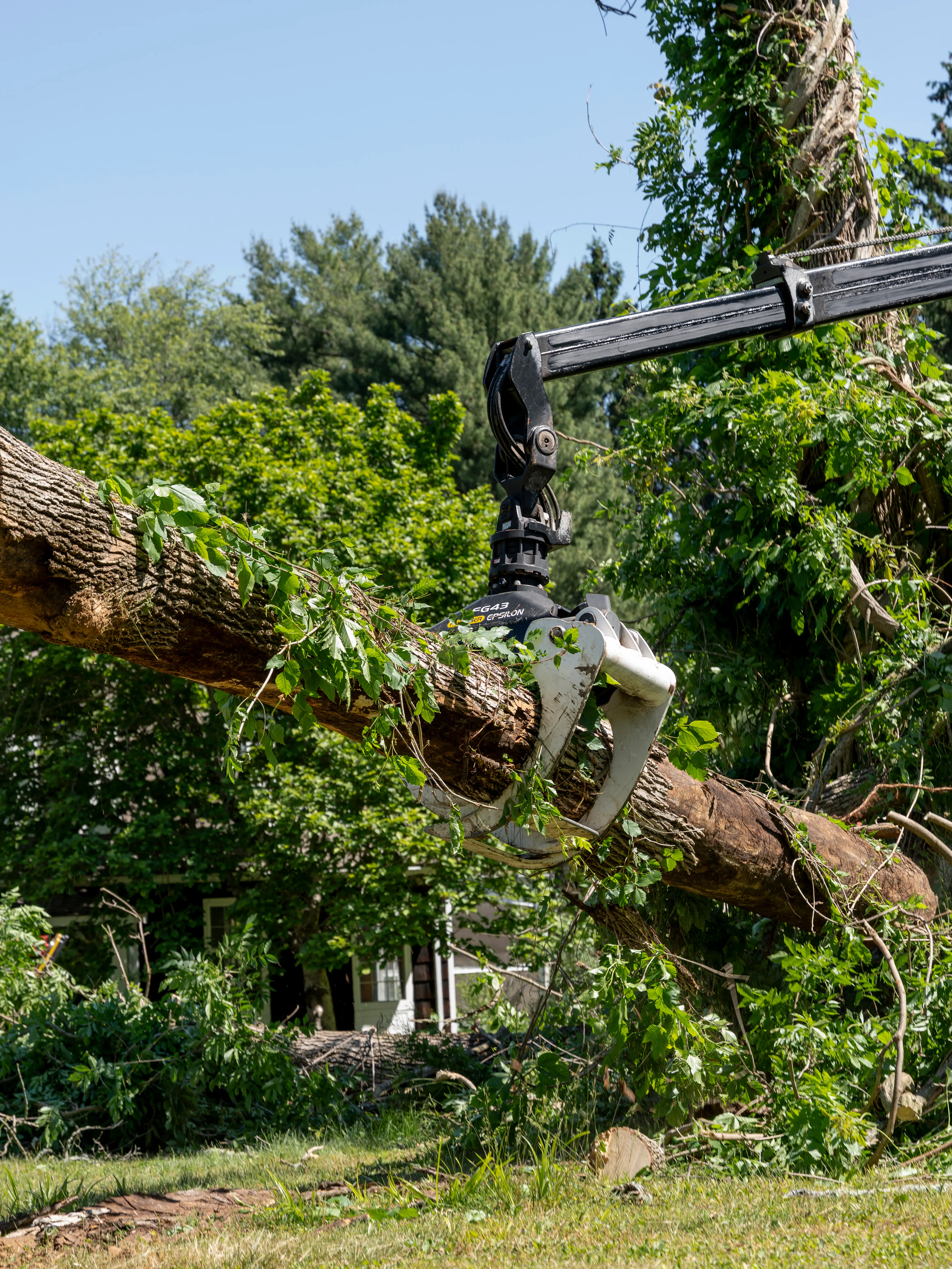
Summer storms can put significant stress on mature trees through high winds, heavy rain, lightning, and saturated soil. Learn how homeowners can identify hazardous branches, recognize tree stability concerns, prepare their property before severe weather, and know when professional tree care is needed after a storm.
.webp)
Healthy trees provide shade, beauty, privacy, and value, but problems can develop long before a tree appears obviously damaged. Learn 10 important signs of a healthy tree, the warning signs homeowners should watch for, and when professional tree care can help protect mature trees throughout New Jersey.
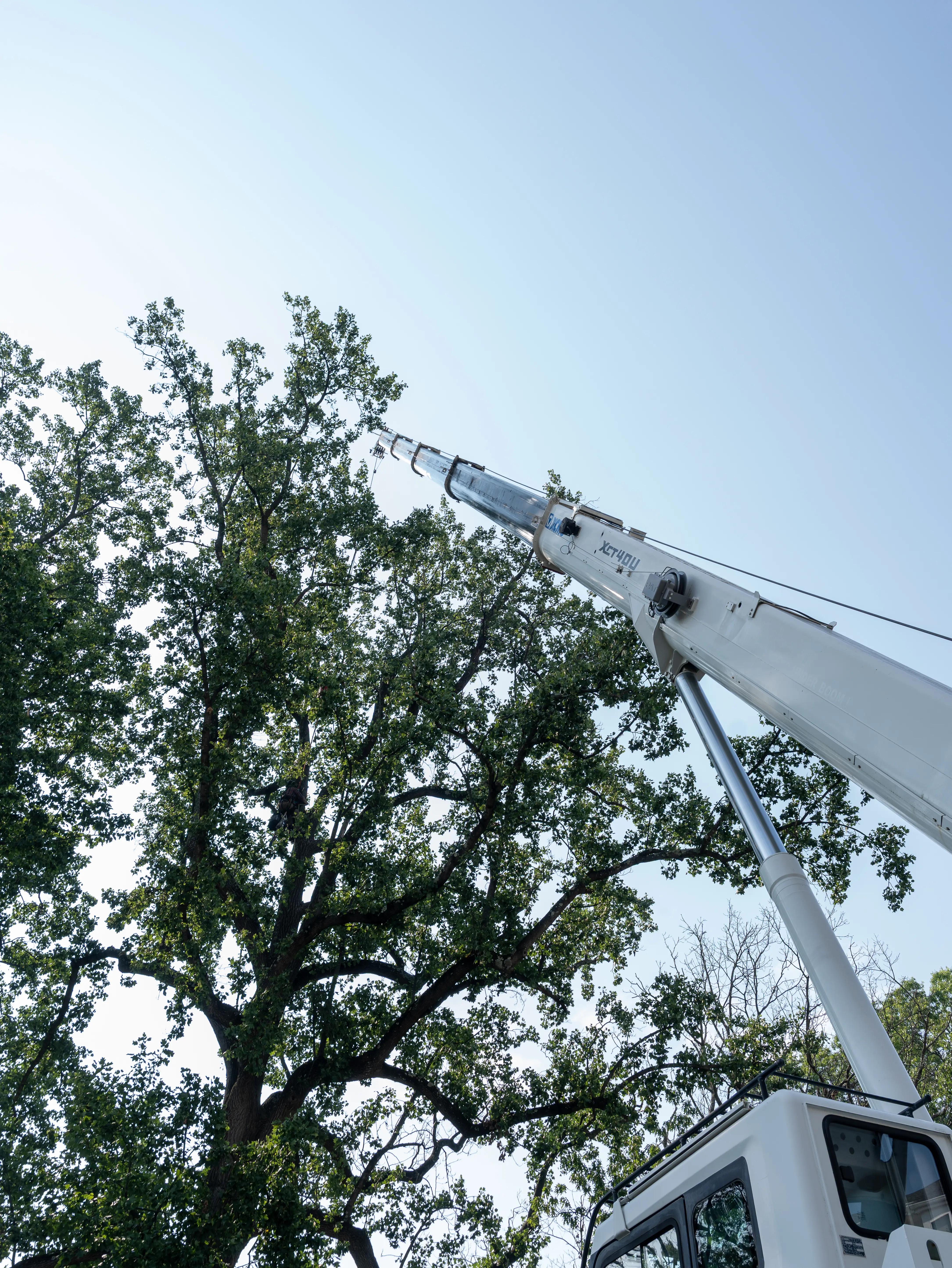
Common tree pests can weaken otherwise healthy trees and cause long-term damage when infestations go untreated. Learn how to recognize signs of insects, which pests commonly affect New Jersey trees, when treatment may be necessary, and how homeowners can protect their landscapes with professional tree care.

Stay connected with seasonal tips, expert advice, and updates from the team!
By Subscribing. your agree to our terms and receive exclusive tree care updates.