Does My Tree Need to Be Removed? 10 Warning Signs Every New Jersey Homeowner Should Know
Not sure if your tree needs removal? Learn the warning signs of hazardous trees and when to call Pine Valley Tree Service for professional tree removal in NJ.
Trees are one of the most valuable features of a residential property. They provide shade, improve curb appeal, increase privacy, and contribute to a healthy outdoor environment. However, trees do not last forever. As trees age, experience storm damage, develop disease, or suffer from structural problems, they can become unsafe.
One of the most common questions homeowners ask is, “How do I know if my tree needs to be removed?”
The answer depends on several factors, including the tree’s overall health, location, structural stability, and potential risk to your home or property.
For homeowners throughout Northern New Jersey, including Chatham, West Orange, Bridgewater, and Mendham, understanding the warning signs of a dangerous tree can help prevent costly property damage and protect your family.
At Pine Valley Tree Service, we have helped New Jersey homeowners maintain healthy landscapes since 1974. Our experienced team evaluates each tree carefully and recommends removal only when it is the safest and most responsible option.
Many homeowners prefer to preserve trees whenever possible, and professional tree care should always begin with preservation in mind.
However, there are situations where a tree has become too damaged, unstable, or unhealthy to safely remain on a property.
A tree may need to be removed when:
Professional tree removal services help homeowners safely address these situations while protecting surrounding property.
A tree with a slight natural lean may not be a concern. However, a tree that has recently started leaning or continues to shift over time may indicate a serious structural issue.
A sudden lean can be caused by:
Trees leaning toward your home, garage, driveway, or outdoor living areas should always be inspected.
Homeowners in areas like Summit, Madison, and Bernardsville often have mature landscapes where older trees require regular evaluations to identify these risks early.
Dead branches are not always an immediate emergency, but large dead limbs can become dangerous.
Signs include:
Deadwood can break unexpectedly during wind, rain, snow, or ice events.
Regular tree pruning services can remove some hazards before they become larger problems.
The trunk is the main support structure of a tree. Cracks or splits may indicate that the tree has lost structural integrity.
Common warning signs include:
A tree with major trunk damage may not be able to support itself safely.
Healthy roots keep trees stable and upright. When roots become damaged, the entire tree can become compromised.
Root problems may be caused by:
Warning signs of root issues include:
Properties in communities such as Livingston, Cedar Grove, and Somerset often contain mature trees where root health plays an important role in overall stability.
Tree decay often develops internally before homeowners notice visible symptoms.
Signs of decay include:
Not every tree with decay requires removal. A professional evaluation can determine whether the tree can be preserved.
New Jersey experiences a variety of weather conditions, including heavy snow, ice storms, high winds, and summer thunderstorms.
Storm damage may cause:
After severe weather, homeowners should avoid attempting dangerous cleanup themselves.
Professional emergency tree services help safely remove damaged trees and reduce risks.
Location plays an important role in determining whether a tree is safe.
A healthy tree may still become a concern if it is positioned too close to:
Large trees near structures should be monitored regularly to prevent future problems.
Some tree diseases and pest infestations can weaken trees over time.
Signs include:
A certified arborist can determine whether treatment is possible or whether removal is the safest solution.
Sometimes a tree does not have one obvious issue, but several smaller problems combined create a serious hazard.
Examples include:
A combination of problems can make a tree much more likely to fail.
One of the best ways to determine whether a tree needs removal is through a professional inspection.
A trained tree care professional evaluates:
Pine Valley Tree Service provides homeowners with honest recommendations based on safety and long-term property protection.
Not every damaged tree needs to come down.
Depending on the condition, solutions may include:
Our goal is always to preserve healthy trees when possible while protecting homeowners and their properties.
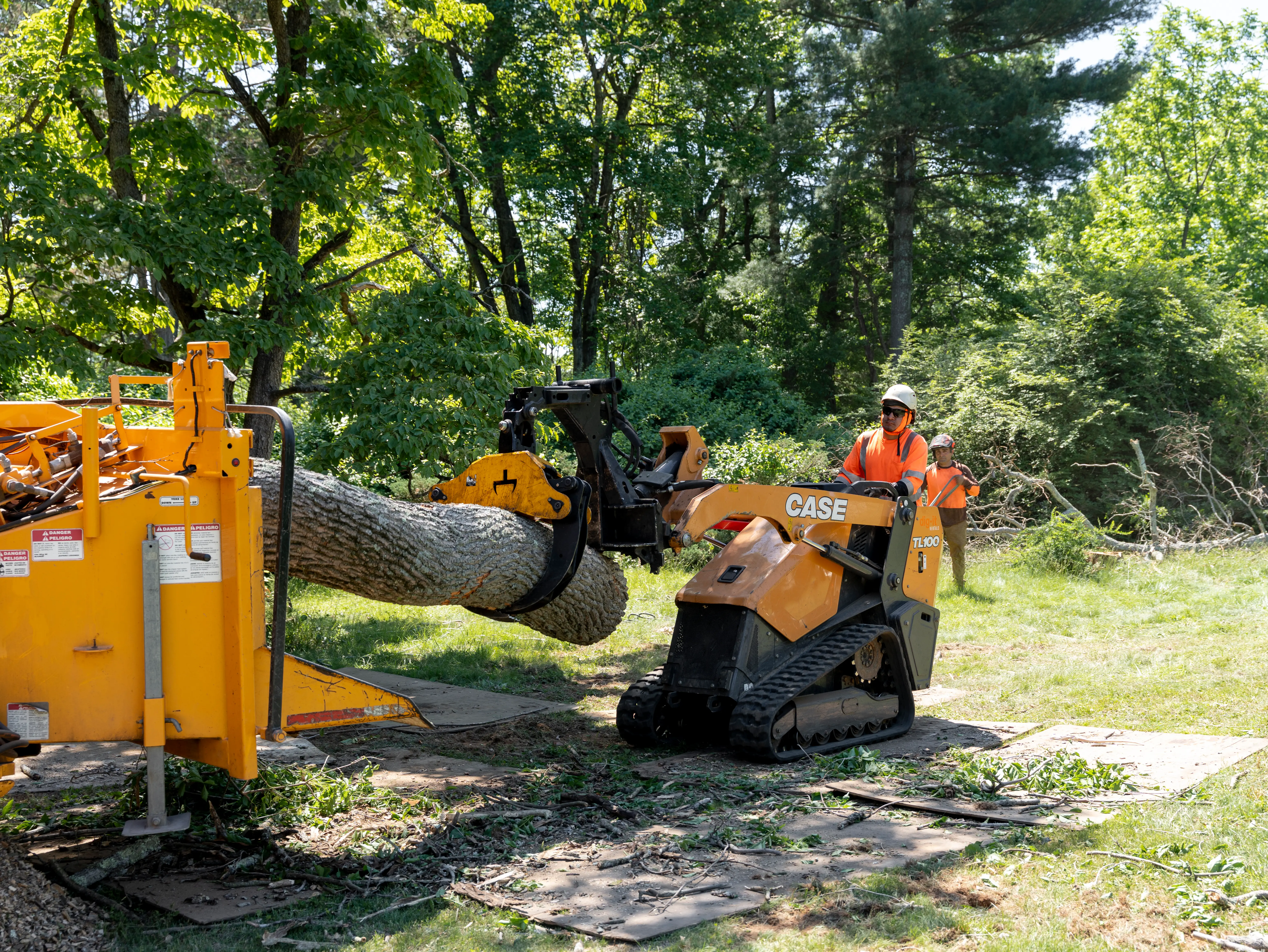
Tree removal is not a simple landscaping project. Large trees require specialized equipment, experience, and safety procedures.
Professional tree removal helps:
Homeowners throughout Morristown, Roseland, and Watchung rely on experienced professionals when dealing with large or hazardous trees.
A dangerous tree may show signs including leaning, dead branches, trunk cracks, root damage, decay, or disease. A professional tree inspection is the best way to determine the level of risk.
Not every leaning tree requires removal, but sudden leaning is a major warning sign. Trees leaning toward homes, vehicles, or frequently used areas should be evaluated quickly.
Some tree diseases can be treated, especially when identified early. However, advanced disease may compromise the tree beyond recovery.
Tree lifespan depends on the species, location, maintenance, and environmental conditions. Some trees live for decades, while others decline sooner due to stress or disease.
Coverage depends on the cause of damage and your individual policy. Storm-related damage is sometimes covered, but homeowners should check with their insurance provider.
Stay away from the fallen tree, especially if power lines or structures are involved. Contact a professional tree service to safely evaluate and remove the hazard.
Sometimes. Proper pruning can improve tree health and reduce hazards, especially when problems are identified early.
Most residential properties benefit from tree inspections every one to two years, with additional inspections after major storms.
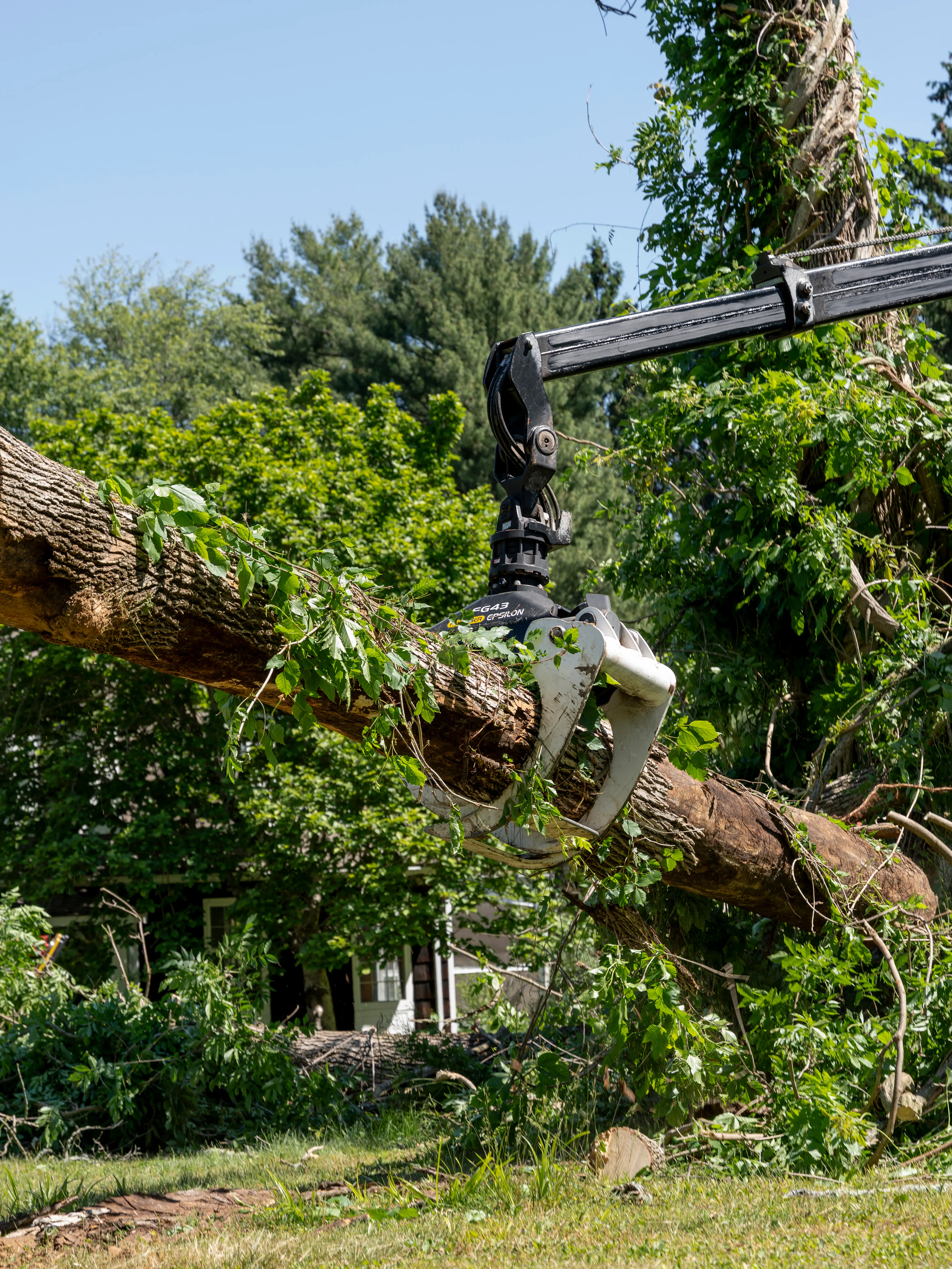
Summer storms can put significant stress on mature trees through high winds, heavy rain, lightning, and saturated soil. Learn how homeowners can identify hazardous branches, recognize tree stability concerns, prepare their property before severe weather, and know when professional tree care is needed after a storm.
.webp)
Healthy trees provide shade, beauty, privacy, and value, but problems can develop long before a tree appears obviously damaged. Learn 10 important signs of a healthy tree, the warning signs homeowners should watch for, and when professional tree care can help protect mature trees throughout New Jersey.
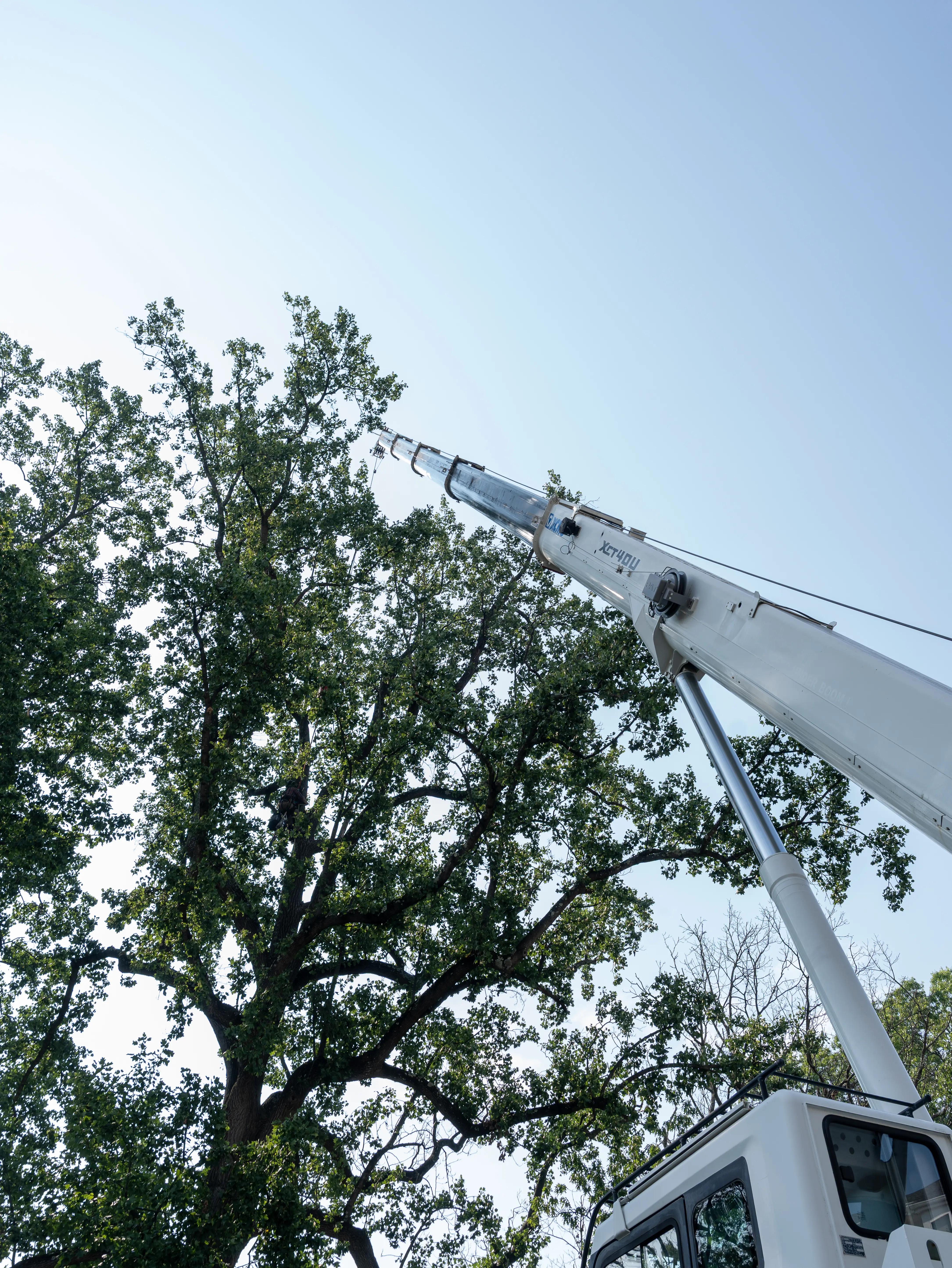
Common tree pests can weaken otherwise healthy trees and cause long-term damage when infestations go untreated. Learn how to recognize signs of insects, which pests commonly affect New Jersey trees, when treatment may be necessary, and how homeowners can protect their landscapes with professional tree care.

Stay connected with seasonal tips, expert advice, and updates from the team!
By Subscribing. your agree to our terms and receive exclusive tree care updates.