Learn how to spot tree damage after winter storms and why early evaluation helps protect your home and landscape.
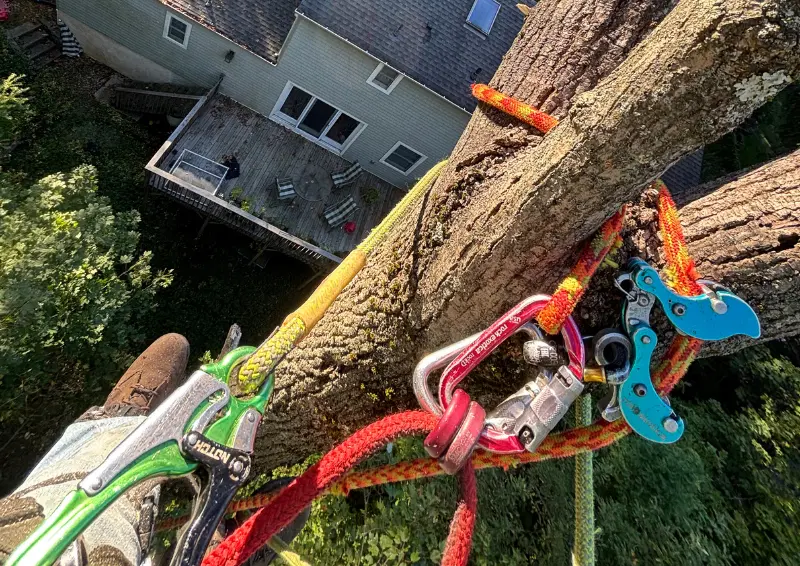
Heavy snow and ice can quietly change the condition of your trees. Even after roads are cleared and temperatures rise, damage may remain hidden in branches, trunks, and root systems. For homeowners in North and Central New Jersey, post storm tree inspection is an important step in protecting both property and personal safety.
In communities like Westfield, Denville, and Peapack Gladstone, mature trees are a defining part of residential landscapes. Knowing what to look for after a winter storm helps homeowners address issues early rather than waiting for failures in the months ahead.
Snow and ice add significant weight to tree canopies. Branches that appear strong during the growing season may struggle under this sudden load. Ice accumulation is especially problematic because it coats branches evenly, increasing weight without warning.
Trees with poor structure, previous pruning issues, or hidden decay are often the most vulnerable. Storm damage does not always result in immediate failure. In many cases, cracks, splits, and weakened attachments remain unnoticed until warmer weather brings wind or new growth.
After a storm passes, a careful visual inspection can reveal early warning signs. Homeowners should look for changes in shape, alignment, and stability.
Branches that have snapped or partially broken may remain lodged in the canopy. These limbs can fall without warning and should be addressed promptly. Even smaller branches can cause damage if they drop from height.
In towns like Millburn and Long Hill, where trees often overhang driveways and walkways, hanging limbs pose a real safety concern.
Ice weight can cause branches to split at connection points. These cracks may be subtle at first but can worsen over time. A split limb is often structurally compromised and may require professional removal or pruning.
This type of damage is best evaluated by experienced professionals trained in tree care, as improper cutting can worsen the problem.
If a tree appears to be leaning more than usual, or if the soil around its base has shifted or lifted, the root system may have been affected. Saturated winter soil combined with ice weight can reduce root stability.
Homeowners in areas like Franklin Township and North Plainfield should pay close attention to trees near structures, as root issues can develop slowly but lead to sudden failure.
Not all storm damage is obvious. Some issues only become visible weeks or months later.
Small fractures in limbs, stress cracks in trunks, or internal damage may not show immediate symptoms. As spring growth begins, weakened branches may fail under the added weight of new foliage.
This is why post storm inspections are often recommended even when trees appear unchanged.
Delaying action after storm damage can allow problems to escalate. A weakened branch that survives winter may break during spring winds. A cracked limb may continue to split as temperatures fluctuate.
In many cases, homeowners only discover these issues when they require emergency tree service. Proactive evaluation reduces the likelihood of urgent situations and helps protect surrounding property.
Professional evaluation goes beyond surface level inspection. Arborists consider tree species, age, structure, and location when assessing risk. They look for signs of internal stress and determine whether corrective pruning or removal is necessary.
Certified professionals use proper techniques to stabilize trees when possible and remove hazards when needed. This approach protects the health of the tree while prioritizing safety.
Working with experienced arborist services ensures that storm related decisions are based on long term outcomes, not guesswork.
In some cases, damage is too severe to correct. Trees with extensive structural failure, compromised root systems, or advanced decay may pose ongoing risk.
Homeowners in communities like Hillsborough and Watchung often face difficult decisions after winter storms. Professional guidance helps determine whether removal is necessary or if the tree can be preserved safely.
Post storm inspections are an opportunity to plan ahead. Addressing issues early allows homeowners to schedule work thoughtfully rather than reacting to emergencies later in the year.
Winter and early spring are ideal times to assess tree condition and prioritize maintenance. This planning helps avoid scheduling delays and unexpected disruptions as the busy season begins.
From residential neighborhoods in Fanwood to larger properties throughout Somerset County, Pine Valley Tree Service works with homeowners to manage storm related tree concerns with care and professionalism.
Every property is different, and post storm solutions should reflect the unique conditions of each landscape.
Heavy snow and ice can leave lasting effects on trees long after storms pass. Knowing what to look for helps homeowners take responsible steps toward safety and preservation.
If your property experienced heavy winter weather, request an estimate and have your trees evaluated by professionals who understand how storm damage develops over time.
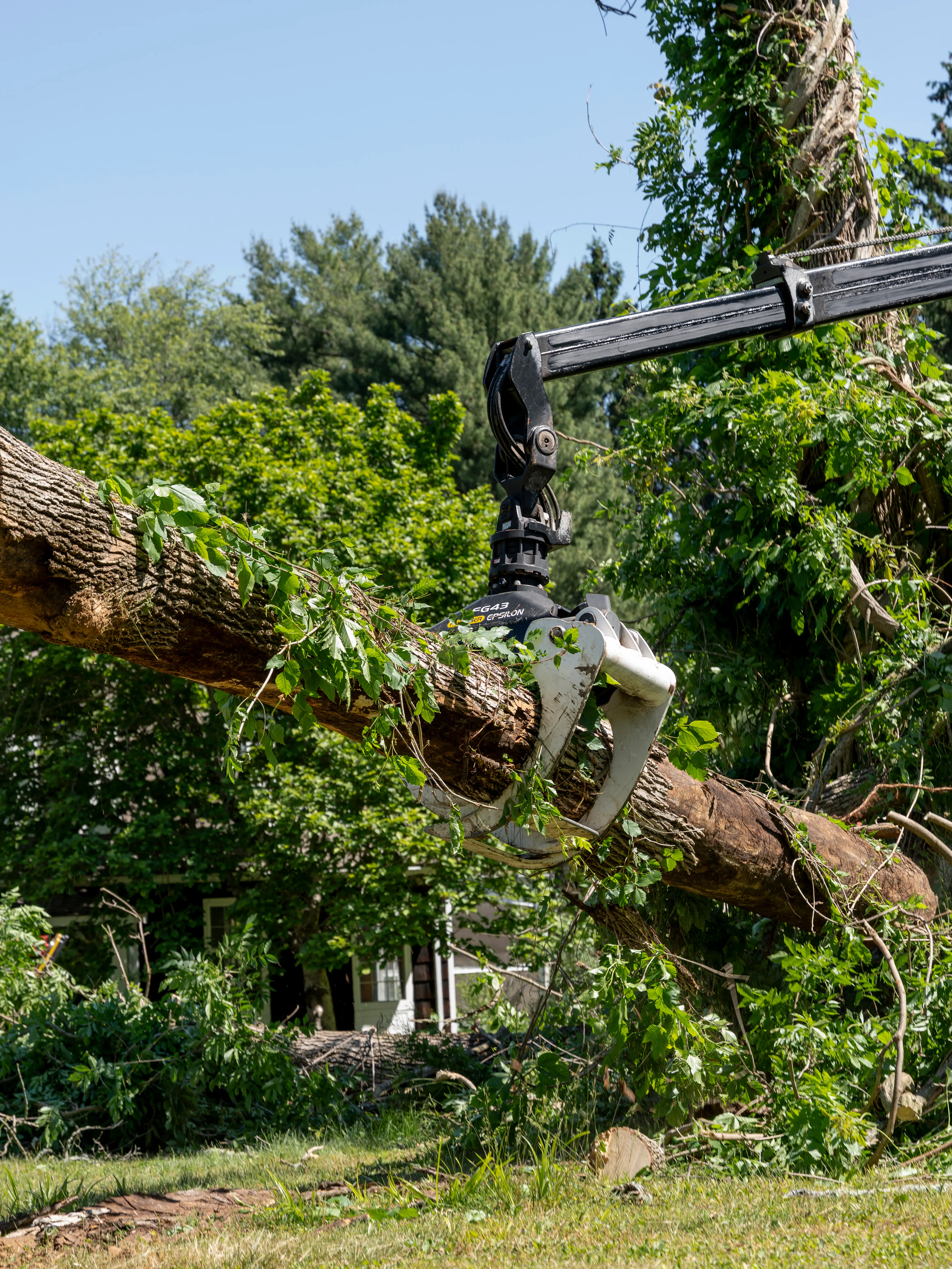
Summer storms can put significant stress on mature trees through high winds, heavy rain, lightning, and saturated soil. Learn how homeowners can identify hazardous branches, recognize tree stability concerns, prepare their property before severe weather, and know when professional tree care is needed after a storm.
.webp)
Healthy trees provide shade, beauty, privacy, and value, but problems can develop long before a tree appears obviously damaged. Learn 10 important signs of a healthy tree, the warning signs homeowners should watch for, and when professional tree care can help protect mature trees throughout New Jersey.
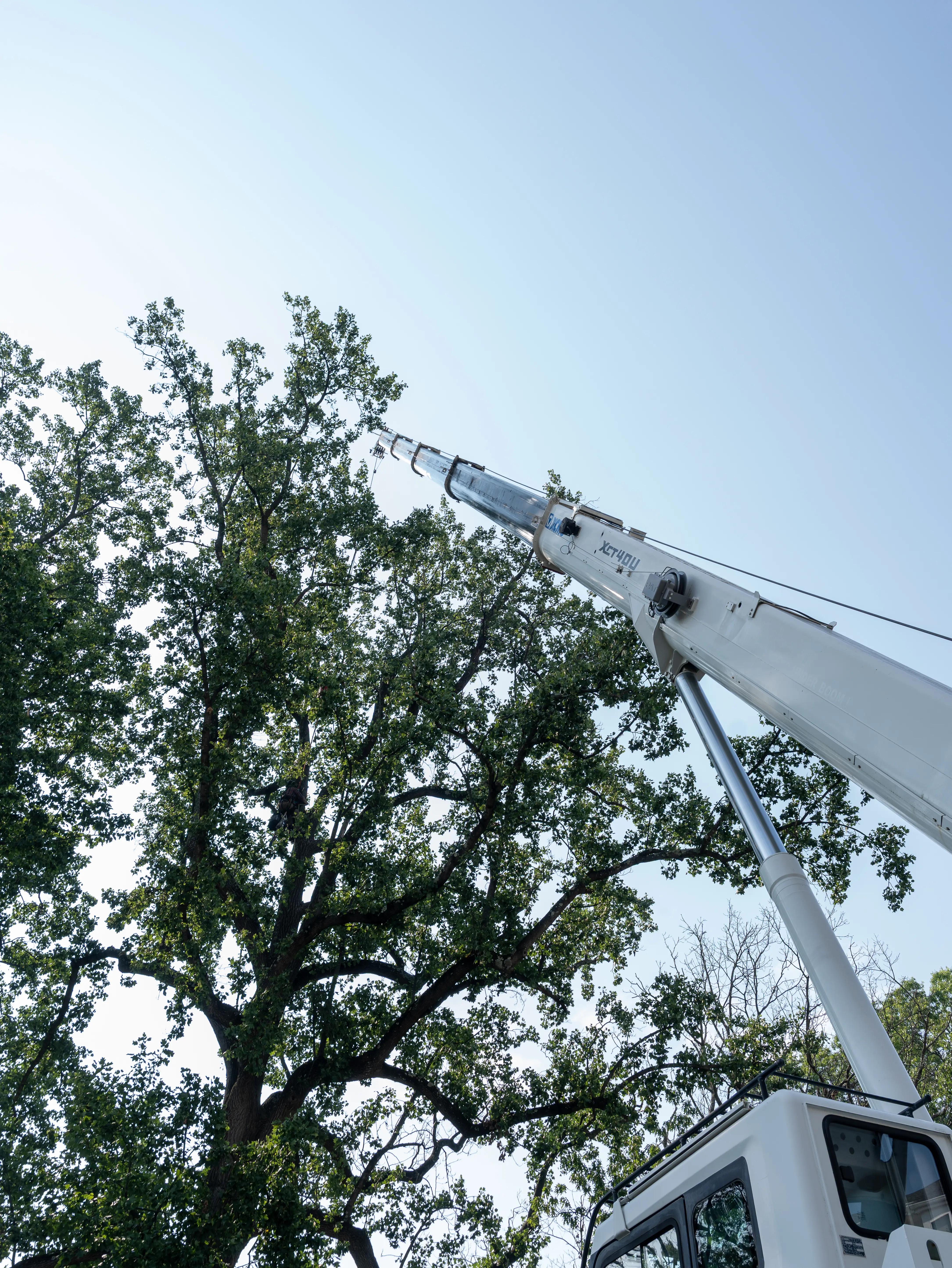
Common tree pests can weaken otherwise healthy trees and cause long-term damage when infestations go untreated. Learn how to recognize signs of insects, which pests commonly affect New Jersey trees, when treatment may be necessary, and how homeowners can protect their landscapes with professional tree care.

Stay connected with seasonal tips, expert advice, and updates from the team!
By Subscribing. your agree to our terms and receive exclusive tree care updates.